
What to Wear for Family Pictures Without Buying Everyone New Clothes
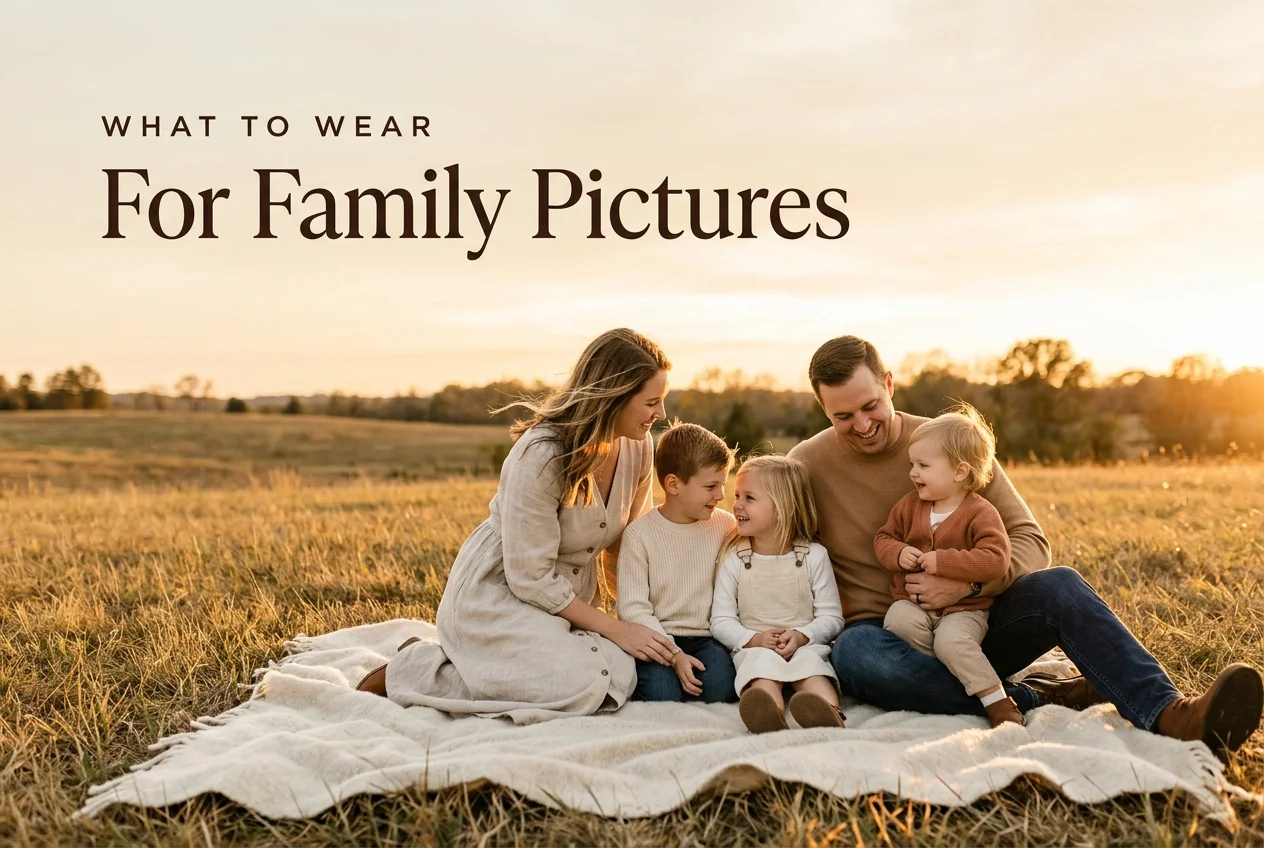
Your session is in eleven days and you’ve already spent two evenings with forty tabs open. I know that feeling. Deciding what to wear for family pictures gets treated like a shopping problem, so most people solve it by buying five new outfits that get worn once and then live in a closet corner as a $400 reminder. There’s a better order of operations. You pull one outfit you already love, build the other four around it, and you’re done in under an hour.
Here’s what nobody tells you: the photos you’ll still like in ten years are the ones where everyone looks like themselves, just a slightly tidier version. Not a catalog. Not a coordinated crew in identical chambray.
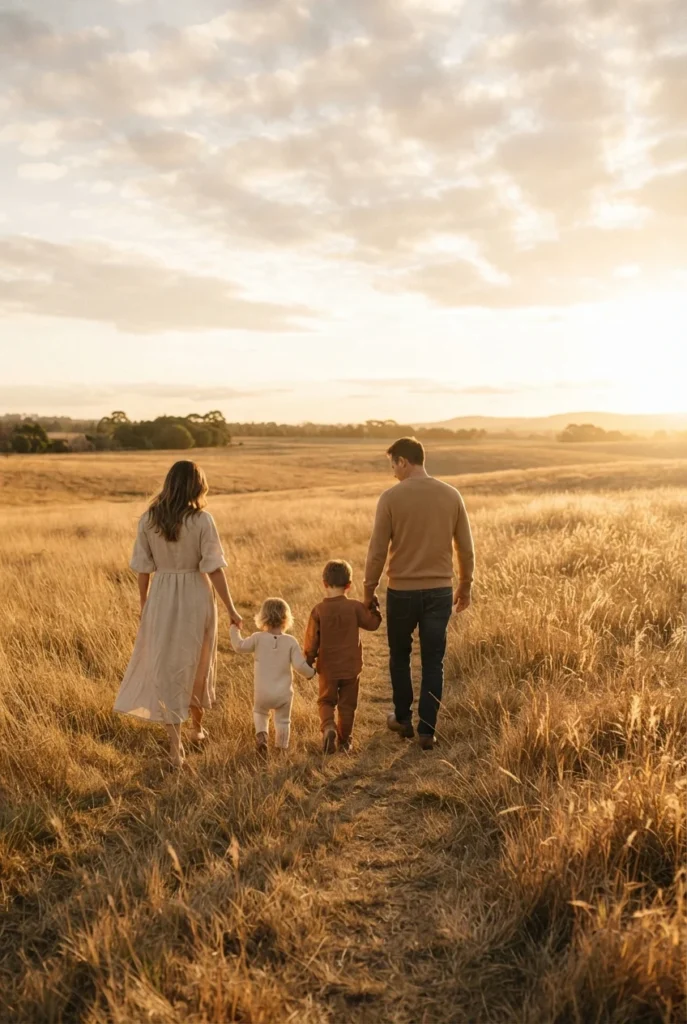
The whole method comes down to three moves: pick an anchor, echo it, add one accent. I’ll walk through each one, plus the seasonal palettes, the temperature problem nobody warns you about, and a closet pull you can finish while dinner cooks.
Start With One Anchor Outfit and Build Backward
Pick the person who is hardest to dress. In most families that’s Mom or the teenager. Dress that person completely, head to shoes, before anyone else gets a vote.
Why backward? Because if you start with a vague palette and try to fit five people into it, you’ll end up shopping. Start with one real outfit that already exists and fits well, and the palette writes itself.
Your anchor should be the piece with the most going on: a patterned dress, a textured sweater, a coat with an unusual color. Everyone else’s outfit gets pulled out of that piece. If Mom’s dress is oat linen with faint rust stripes, you now have oat, rust, and whatever neutral sits between them. That’s your family palette. You didn’t choose it, the dress did.
Look for the anchor in the part of your closet you actually reach for. In most closets that’s a small group of tops and one or two dresses, the handful of tops that anchor every outfit you own, and those pieces earned that spot because they fit and they photograph well in real life. Trust the evidence.
One rule: the anchor person wears the most visual interest, and nobody else competes with it. If two people wear a pattern, the eye doesn’t know where to land, and neither does the photographer’s composition.
The Family Photo Color Formula (60, 30, 10)
Designers have used a color ratio for decades, and it works just as well across five people as it does across a room. It’s the 60/30/10 rule designers use: sixty percent dominant color, thirty percent secondary, ten percent accent.
Translated to a family of five, that’s roughly:
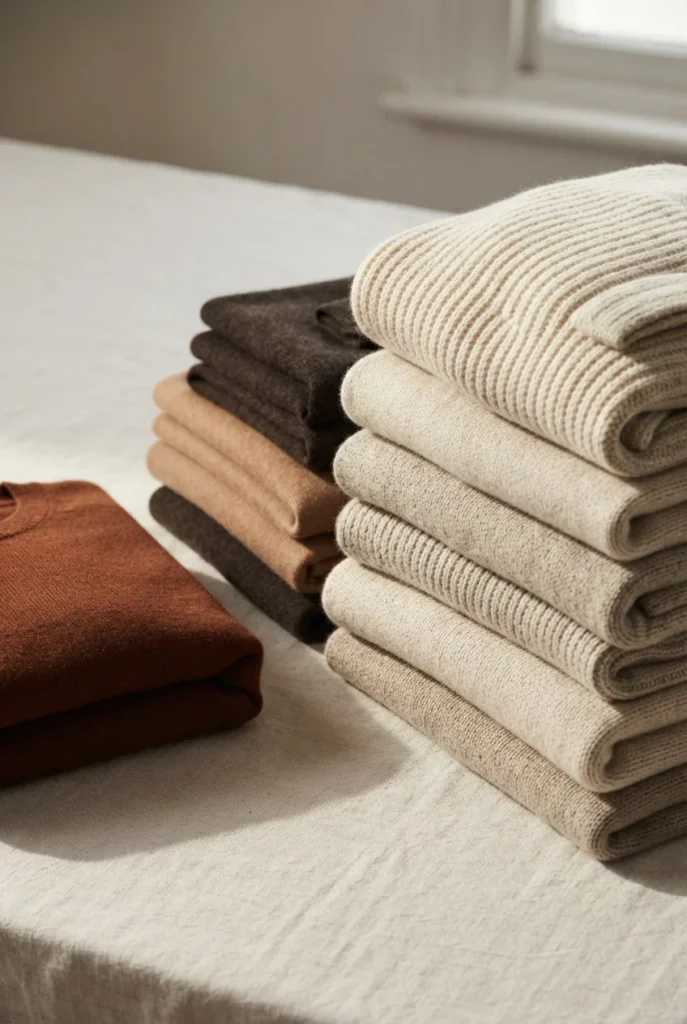
- 60 percent, your base neutral. Cream, oat, ivory, soft grey, or navy. Two to three people carry this as their main garment.
- 30 percent, your mid tone. Camel, taupe, olive, denim, or espresso. One to two people.
- 10 percent, one accent. Rust, burgundy, dusty blue, or butter yellow. One person, or one small piece like a scarf or a pair of shoes.
Ten percent means small. A single accent sweater across five people is about right. Two accents in different colors, and the group reads as unplanned.
The reason neutrals dominate every high-performing family photo on Pinterest isn’t aesthetic snobbery. Neutral fabric reflects the light around it, so skin tones stay warm and nobody turns green under a tree canopy. Saturated colors bounce their own color onto the face nearest them, and that’s very hard to correct in editing.
If your closet already leans neutral, you’re most of the way there. If it doesn’t, or if a wall of beige makes you feel invisible, the fix is the same one that works year round, how to add color to a neutral closet without losing cohesion: keep the base quiet and let one saturated piece do all the talking.
Screenshot this one:
| Role | Share | Who wears it | Safe picks |
|---|---|---|---|
| Base neutral | 60% | 2 to 3 people | cream, oat, ivory, soft grey, navy |
| Mid tone | 30% | 1 to 2 people | camel, taupe, olive, denim, espresso |
| Accent | 10% | 1 person, or 1 accessory | rust, burgundy, dusty blue, butter yellow |
The Best Colors to Wear for Family Pictures in Each Season
Season matters less for fashion reasons and more for what’s behind you. Your background is half your palette whether you planned it or not.
Fall (September to November, 45 to 70F)
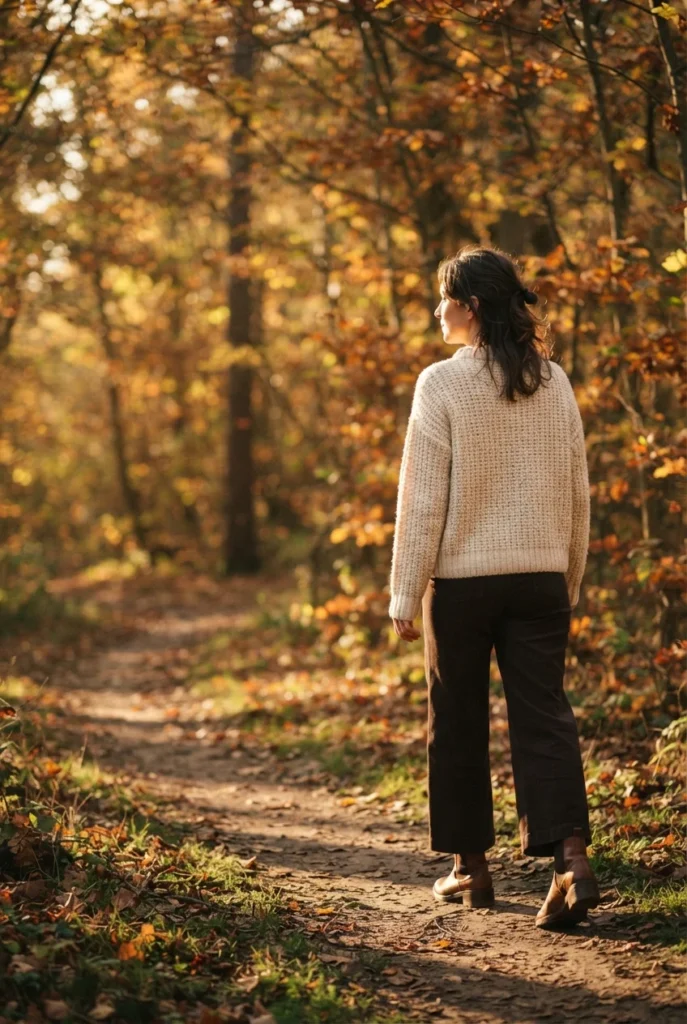
Peak season, and the trickiest. Fall foliage is already loud, so the family needs to sit quietly against it. Cream, camel, oat, espresso, olive, and one deep accent like burgundy or rust. Skip orange entirely, it disappears into the trees. If your session is in a green field rather than a woodland, you have more room for warm rust and mustard.
Winter (December to February, 20 to 45F)
Grey light, bare branches, sometimes snow. Everything reads cooler on camera, so warm your palette to compensate. Cream, camel, charcoal, deep green, and burgundy. Winter is also the one season where head-to-toe ivory genuinely works, and it’s worth noting Pantone named a white its 2026 Color of the Year, Cloud Dancer, which they describe as “a lofty white that serves as a symbol of calming influence.” Against snow or a pale studio backdrop, that’s exactly how it photographs.
Spring (March to May, 50 to 70F)
Backgrounds go bright and green, which competes with saturated clothing. Soft is the move. Ivory, sage, dusty blue, blush, and light denim. This is the season for linen and lighter cotton, and the one time a soft floral on the anchor person looks intentional rather than busy.
Summer (June to August, 75 to 95F)
Harsh overhead light and a lot of sky. Light colors keep everyone cooler and prevent the heavy shadow that dark clothing throws at midday. Ivory, white, sand, and one dusty blue or faded terracotta. Breathable fabric is not optional here, and neither is a session scheduled for the first or last hour of daylight.
Coordinate With Texture, Not Matching Shirts
Once your palette is set, everyone is technically wearing the same three or four colors. Without texture, that reads flat and slightly institutional.
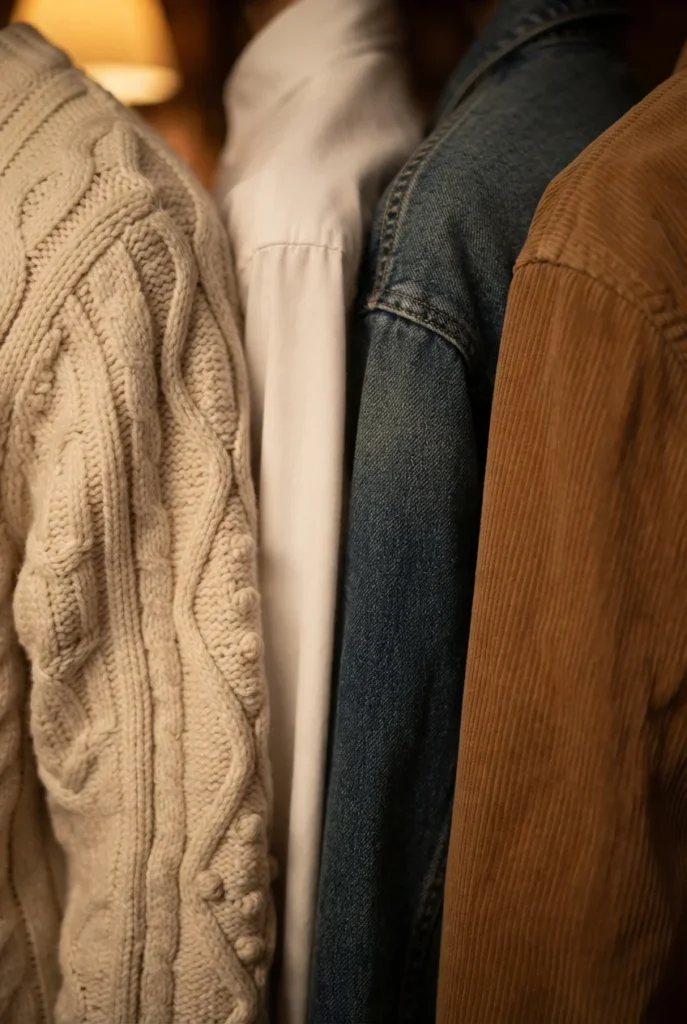
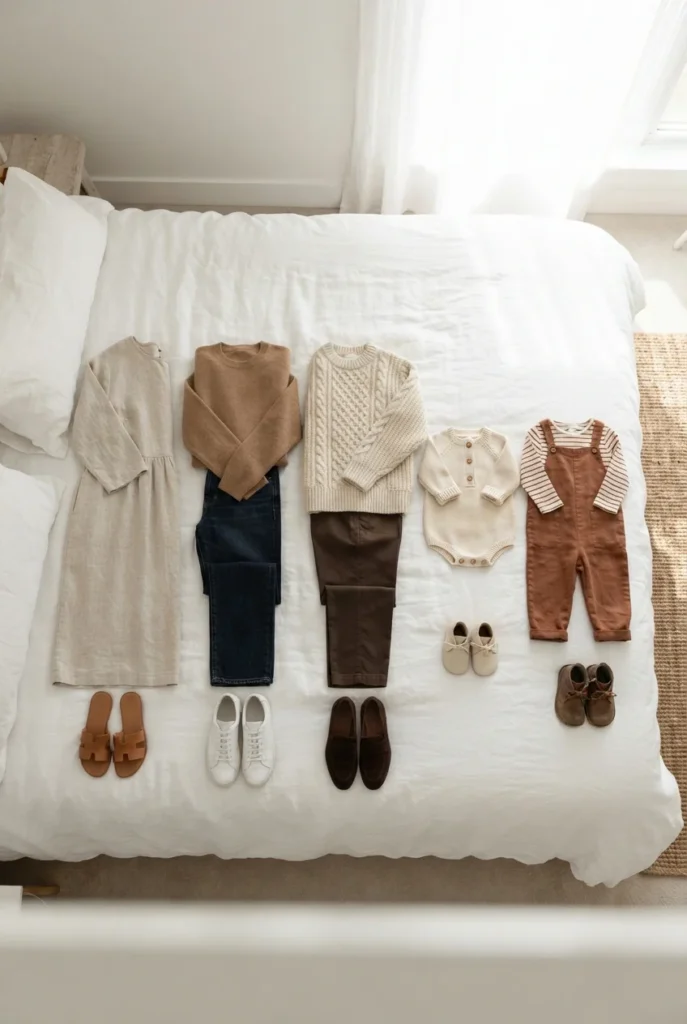
Texture is what separates a coordinated family from a company retreat. Put a cable knit next to a smooth cotton poplin next to soft washed denim next to a bit of suede, and the photograph gains depth even though the color story never changes.
Some combinations that hold up well on camera: chunky knit with crisp cotton, linen with leather, corduroy with fine merino, denim with soft flannel, ribbed cotton with a wool coat.
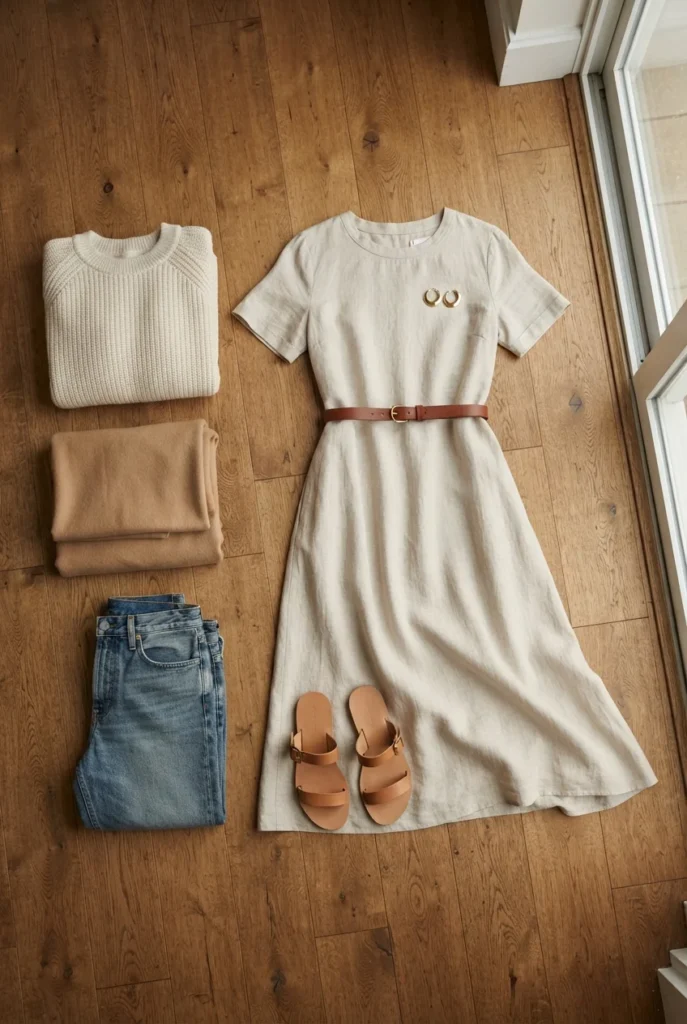
Accessories do the same job in miniature. A woven belt, a leather crossbody, a wool scarf, a pair of gold hoops. These are the small accessories that change an outfit completely, and they photograph as intention rather than effort. One or two per adult. Kids need none.
A quick warning on patterns. One pattern per family, worn by the anchor person, and it should be small scale or muted. Thin stripes, a faint plaid, a small ditsy floral. Bold geometrics and anything with high contrast will pull every eye in the frame straight to that one torso.
What Not to Wear for Family Pictures
Shorter list than you’d expect, and most of it is about the camera rather than taste.
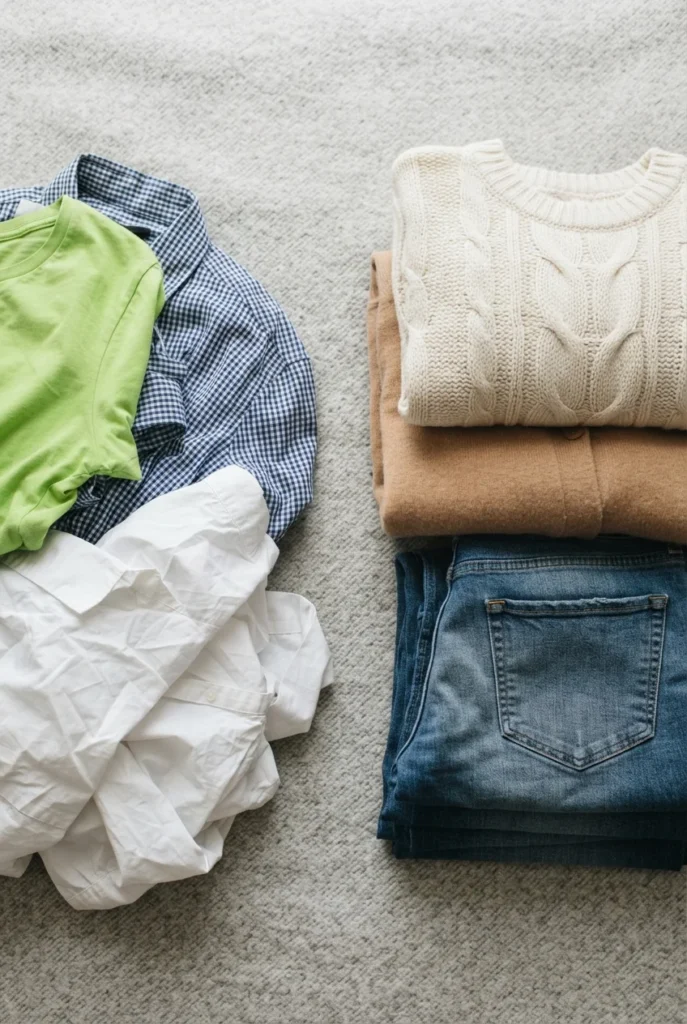
Neon and highly saturated brights. They cast colored light onto the face of whoever stands next to them. Lime green is the worst offender, followed by hot pink and electric blue.
Logos, slogans, and licensed characters. They date the photo instantly and they pull focus. A cartoon character on a four-year-old’s chest becomes the subject of the portrait.
Tiny repeating patterns. Thin stripes under about a quarter inch and dense small checks can produce a shimmering moire effect on a digital sensor. It’s unfixable in editing.
Anything brand new and unworn. Stiff fabric, visible creases from the fold, and a fit you haven’t tested. If you do buy something, wear it around the house for an evening first.
Everyone in identical shirts. The single fastest way to make a nice family look like a group tour.
Clothes that only work standing still. You will sit in grass. Someone will be picked up. A skirt that rides up or a shirt that gapes when you raise your arms will show in half the frames.
Ill-fitting anything, in either direction. Too tight photographs as strain, too loose photographs as bulk. Camera adds volume where fabric pools.
What Mom Should Wear (Get Dressed First)
You’re in the photo too, and every year I watch women dress four other people and then grab something at 6:40 in the morning. Dress yourself first. Everything else coordinates around you more easily anyway, and you stop being the afterthought in your own family portrait.
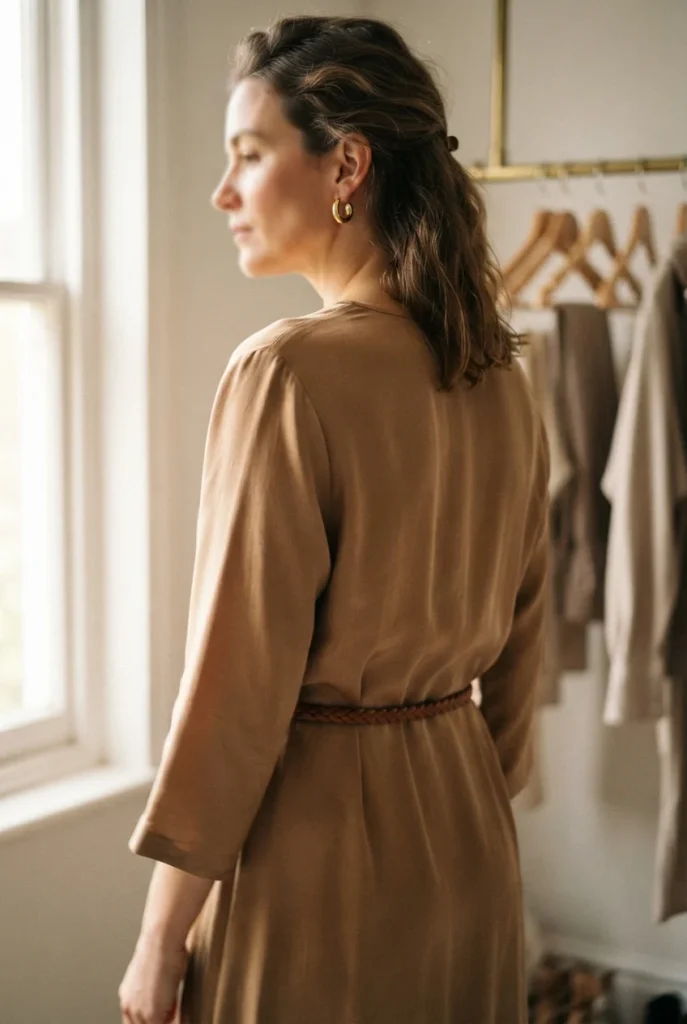
Choose movement. A dress or skirt with real drape does most of the work. Fabric that moves reads as softness in a still frame, and it means you’re not tugging at a hemline while someone counts to three. Midi length is the sweet spot: long enough to sit on the ground in, short enough to walk in.
Choose sleeves you’re comfortable in. Three quarter and long sleeves photograph beautifully and remove one thing to think about. If you love a sleeveless silhouette, wear it, just bring a cardigan for the last twenty minutes when the temperature drops.
Choose one detail that’s yours. A leather belt, a good scarf, gold hoops, a red lip. One thing that says this is a specific woman, not a placeholder. It’s the same logic I use for wedding guest dressing: the outfit stays quiet and one element carries your personality.
Proportion notes, with actual specifics
Skip the vague advice. Here’s what changes on camera:
- Petite (5’4″ and under): keep the color break high. A tucked or half-tucked top with a midi skirt in the same tone family reads as one long line. A hem that stops at the widest part of the calf cuts the frame in half, so aim for just below or just above.
- Tall (5’9″ and over): you can carry a horizontal break, so a contrasting waistband or a belt in a different tone works in your favor rather than shortening you.
- Curvy and hourglass: fabric with weight and drape (ponte, thicker linen, washable silk) follows the shape rather than clinging to it. Very thin jersey shows every seam of what’s underneath, and outdoor backlight makes it semi-sheer.
- Midsize and plus size: a defined waist somewhere in the outfit, whether from a belt, a wrap, or a seam, gives the eye a place to rest. Column dressing in one color from shoulder to hem also photographs cleanly.
- Postpartum: empire and A-line shapes sit away from the midsection without adding bulk, and a soft open cardigan gives you vertical lines plus something to hold.
- Over 40 and over 50: a slightly structured shoulder, whether from a blazer, a knit with body, or a coat, keeps the whole outfit looking deliberate. Fabric quality shows more in portraits than cut does.
Dressing Dad, the Kids, and the Teenager
Three different negotiations, three different approaches.
Dad
He needs two decisions made for him, not six options. A knit or a button-down in a palette color, and a pair of pants that isn’t the jeans he wears to mow the lawn. That’s it.
Best performers on camera: a fine gauge crewneck or quarter zip in oat, camel, or navy, worn over a plain tee or a collared shirt. Dark denim with no distressing, or chinos in stone or olive. Leather sneakers or boots, never athletic trainers with a visible swoosh.
The single upgrade with the biggest return is fit through the shoulder. A sweater that’s one size too big reads as slouchy in a portrait even when it feels fine in the mirror.
Kids under ten
Comfort determines whether you get real smiles, so this is not the moment for a scratchy collar. Soft cotton, no buttons they’ll fuss with, and shoes they can run in.
Let them keep one thing they chose. A specific pair of boots, a favorite cardigan, a hair ribbon. Cooperation costs a small concession, and the photo is better when the kid isn’t negotiating.
Dress them in the palette but not in the accent, unless the accent is theirs on purpose. A toddler in the one rust sweater is a lovely focal point. Three toddlers in three different brights is chaos.
Shoes get photographed more than people expect, especially in sitting and walking shots. Neutral leather boots or clean simple sneakers in every size. On the adult side, the best ankle boots for a capsule wardrobe is the shortcut for fall sessions specifically, since the tone you pick there sets the floor of the whole palette.
Teenagers
Give them the palette and let them build inside it. Autonomy inside a boundary gets cooperation, and a teenager who chose their own outfit stands differently in the frame. Your only veto: logos, and anything they’ll be embarrassed by in five years.
Dress for the Location and the Actual Temperature
Two location questions decide more than any color chart.
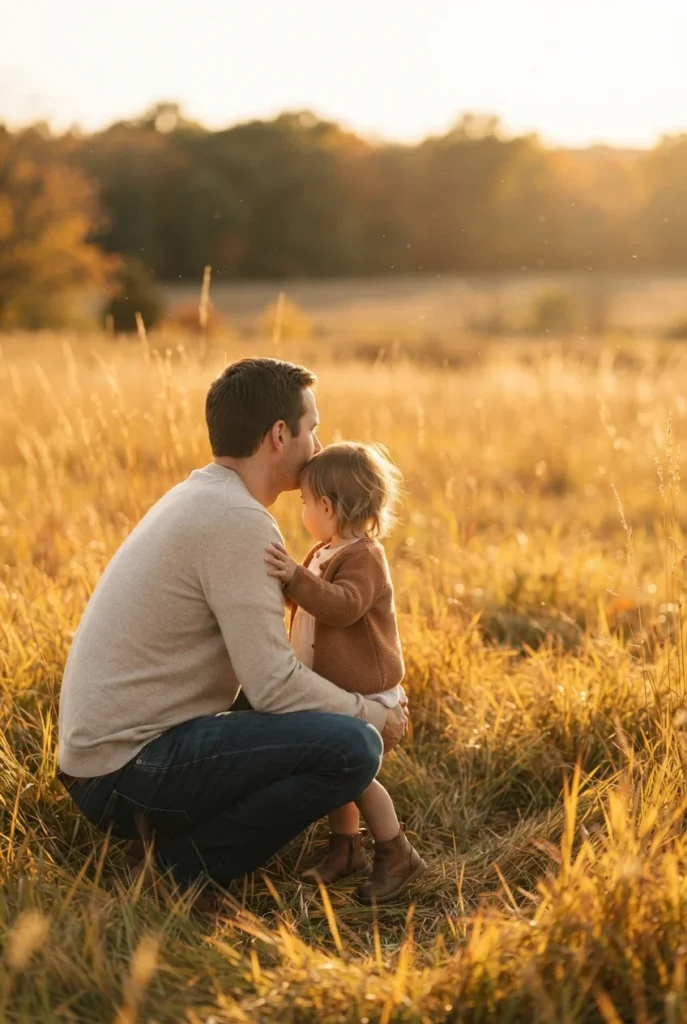
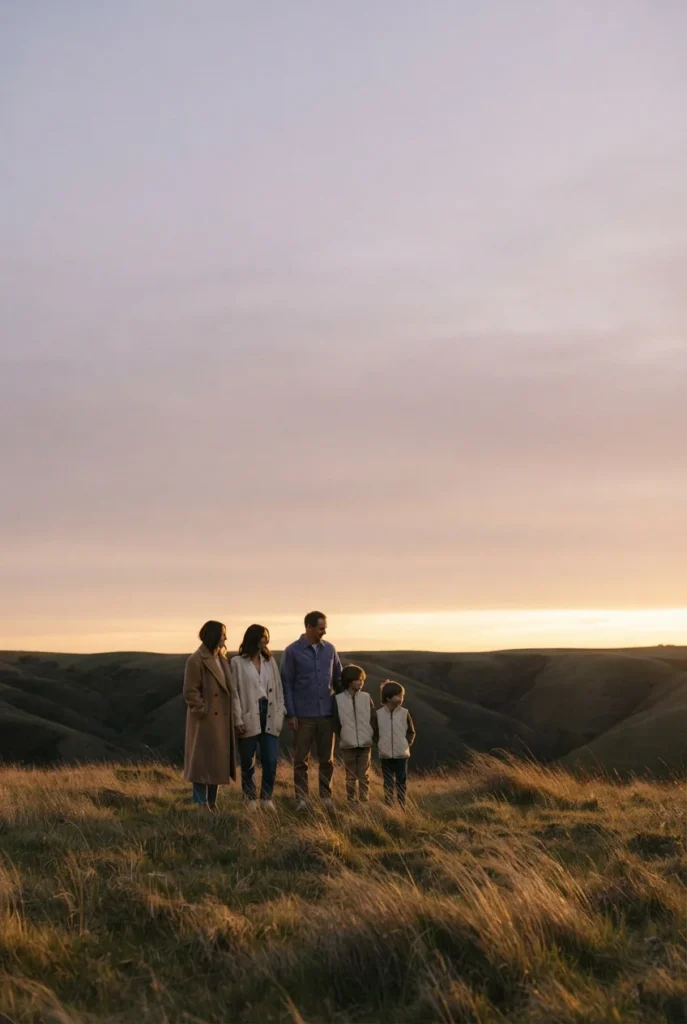
Is the background busy or quiet? A wildflower field, a fall woodland, or a downtown mural is busy, so the family needs to be quiet: solid colors, minimal pattern, mid to deep tones that separate from the background. An open beach, a snowy field, or a studio backdrop is quiet, so you can push more contrast and let a saturated accent breathe.
Will the background swallow your palette? Match the season’s own colors and you vanish. Rust in October foliage, green in a spring meadow, tan on a summer beach. Sit one step away from the background rather than inside it.
The temperature drop nobody warns you about
Golden hour sessions are scheduled in the last ninety minutes before sunset, and that’s precisely when temperature falls fastest. A 6:30 session in early October can start near 68 degrees and finish near 54. Kids get cold, shoulders creep up, and the last twenty minutes of frames (usually the best ones, once everyone has relaxed) show it.
Plan the layer as part of the outfit rather than as a coat you hide behind a tree.
| Temp at session start | What actually works on camera |
|---|---|
| 75F and up | Linen, cotton poplin, breathable knit. No layer needed. |
| 65 to 75F | Add a light cardigan or unlined denim jacket for the back half. |
| 55 to 65F | Layer from the start: fine merino under an open cardigan or a chore jacket. |
| 45 to 55F | Wool coat, structured jacket, or heavy knit as the visible outer layer. Tights under dresses. |
| Below 45F | Outerwear becomes the outfit. Coordinate coats, not shirts. Add scarves and leather gloves. |
The layer you choose has to look intentional, because it will be in half the photographs. That’s a different calculation than staying warm, and it’s the same one I work through in detail in what to layer under a denim jacket from 40 to 70 degrees.
The 20-Minute Family Photo Closet Pull
Do this the weekend before, not the night before. Twenty minutes with a timer.
Minutes 1 to 5. Find the anchor. Walk to your own closet and pull the one thing you’d be happy to be photographed in. Not the aspirational thing. The thing you reach for when you want to feel like yourself.
Minutes 5 to 8. Name the palette. Look at the anchor and write down three colors: its base, its mid tone, its accent. Three words on your phone. Done.
Minutes 8 to 15. Pull for everyone else. One garment per person that lives in those three colors. Do not shop yet. Just pull. You will find more than you expect, because most closets are already 70 percent neutral by accident.
Minutes 15 to 18. Lay it all out together. On a bed, in daylight, all five outfits side by side. This is where you’ll see the problem: two patterns, or three people in the accent, or everyone in the exact same shade of beige. Fix it here, for free.
Minutes 18 to 20. Fill the one real gap. Usually there’s exactly one. A sweater in the mid tone, or boots that aren’t scuffed. One purchase, not five. If the gap is a basic, basics under $30 that actually hold up will close it without a mid-tier price tag.
The re-wear test (this is the part everyone skips)
Before you buy anything, ask one question about it: where does this go on a normal Tuesday?
A camel crewneck goes into work rotation, weekend rotation, and next year’s photos. A cost per wear of a few dollars within a season. A structured ivory blazer does the same. A rust velvet dress in a size your daughter outgrows in four months does not, and that’s fine as long as you know it going in and pay accordingly.
Rough price expectations, and these move constantly so check before you commit:
- Mass ($10 to $50): Old Navy, Target, Uniqlo, H&M. Excellent for kids, who will outgrow everything anyway. Fabric is thinner, so avoid anything that needs to hold structure.
- Mid ($50 to $150): Quince, Madewell, J.Crew, Everlane, Gap. The sweet spot for adults. Quince silk midi dresses have recently sat around $110, Madewell jeans typically run in the $98 to $138 range.
- Contemporary ($150 to $400): Sezane, Reformation, COS. Worth it only if the piece re-enters your rotation immediately.
If a $300 coat is calling to you, check the mid tier first. A structured wool coat from J.Crew or Quince in the same camel photographs nearly identically at this distance, and the difference shows up in hand feel rather than in a portrait shot from twelve feet away.
Frequently Asked Questions
What are the best colors to wear for family pictures?
Soft neutrals with one accent. Cream, oat, camel, taupe, navy, and espresso photograph well in nearly every light and every season, because they reflect surrounding light instead of casting their own color onto skin. Add one saturated accent worn by one person: rust and burgundy in fall, deep green in winter, dusty blue or blush in spring, faded terracotta in summer.
What should you not wear for family photos?
Neon, licensed characters and slogan tees, very small dense patterns that can shimmer on a digital sensor, brand new unworn clothing that still holds fold creases, and identical shirts on everybody. Also skip anything that only works standing still, since you’ll be sitting in grass and picking up children.
Should everyone wear the same color for family pictures?
No, and this is the most common mistake. Matching reads as a uniform and flattens the group into one shape. Coordinating means everyone wears colors from the same family in different proportions and different textures. One person can wear cream as a sweater while another wears it as a shirt collar under camel.
What should mom wear for family pictures?
Something with drape and movement that you can sit on the ground in, ideally with sleeves you feel good in and a midi hemline. Get dressed first, before you plan anyone else’s outfit, so the palette builds around you rather than leaving you with whatever is left. One personal detail (a belt, a scarf, gold hoops, a red lip) keeps it from reading generic.
Is it okay to wear white in family photos?
Yes, and in winter or on a beach it’s one of the strongest choices available. Two cautions. Pure bright white can blow out in direct midday sun, so ivory and cream are safer for a summer session. And thin white cotton goes semi-sheer in backlight, so check the fabric weight outdoors before session day.
What colors work best for black and white family photos?
Contrast is the only thing that matters, since hue disappears. You want a visible range of light to dark across the group: a couple of people in pale cream or oat, one or two in mid camel or denim, one in charcoal or espresso. If everyone wears the same tonal value, the black and white version turns into a grey blur regardless of how nice the colors looked.
Do we all need to buy new clothes for family photos?
Almost never. Most closets are already close to a working palette because most people buy neutrals by default. Run the twenty minute closet pull above and you’ll usually find you need one item, not five. Buy that one item in a color and shape that goes straight back into your weekly rotation, and the cost per wear takes care of itself.
Your Session Is Going to Be Fine
Here’s the truth after all the color charts: in ten years you won’t remember whether the palette was camel or taupe. You’ll remember that your youngest wore her own boots and refused to take them off, and that everybody looked like themselves.
Pick the anchor. Pull the palette out of it. Lay everything on the bed the weekend before, fix the one thing that’s off, and go. The outfits that work hardest in family pictures are almost always the ones already hanging in your closet, waiting for you to notice them.
If you’re building toward a closet where this whole exercise takes ten minutes instead of two weeks, start with the pieces that do the most work. That’s the entire point of a capsule: fewer decisions, better ones, and a family photo you didn’t have to shop for.
Keep reading

What to Wear on a Rainy Day: Outfits That Stay Cute and Dry
Figuring out what to wear on a rainy day comes down to about four decisions you make before you ever pick an...

What to Wear in Nashville: Outfits With a Little Twang
Deciding what to wear in Nashville trips people up for one reason nobody warns you about, and it isn’t the cowboy boots....

What to Wear in Ireland: Layered Outfits for Changeable Weather
Every packing list for Ireland tells you to bring layers. Almost none of them tell you which layers, in what fabric, or...