
10 Items to Remove from Your Closet Right Now: The Capsule-Approved Checklist

You open your closet. It’s full. You have nothing to wear. Sound painfully familiar?
Here’s the secret nobody tells you: a packed closet doesn’t mean a complete wardrobe. It usually means the opposite. Every piece you don’t reach for is quietly burying the pieces you love. After editing my own closet four times in the last two years (and helping clients edit theirs), I keep finding the same culprits hiding in the back, behind the good blazer, weighing the whole rack down.
This is the closet declutter checklist I wish someone had handed me five years ago. Ten items to remove from your closet right now, why each one earns its place on the cut list, and exactly where it should go after it leaves your hands. No vague “haven’t worn it in a year” rules. Real decision criteria you can apply in an afternoon.
Save this for your next capsule wardrobe refresh. You’ll come back to it every season.
Who This Closet Declutter Works For
Before you grab a donation bag, a quick reality check on fit.
This closet decluttering guide works for women building a versatile, intentional wardrobe across sizes XS to 3X. The decision frameworks apply whether you’re a petite 5’2″ working from home in Phoenix, a tall 5’10” commuter in Chicago, or a plus-size mom in a Florida humid climate. The pieces I reference (white tee, straight-leg jeans, neutral trench, white sneaker, loafer, blazer, midi dress) are capsule wardrobe staples sold in extended sizes at Old Navy, Gap, Banana Republic, Target’s A New Day line, Nordstrom, and Universal Standard.
You’ll get the most out of this if you’ve been collecting clothes for more than two years and your style has shifted at least once during that time. Most readers tell me they fill an entire trash bag by item number four. Pace yourself.
The 5-Question Keep or Cut Framework (Use This on Every Piece)
Before we get into the ten items, here’s the original framework I run every borderline piece through. Screenshot it. Pull up your phone in the closet. Apply it ruthlessly.
- Have I worn this in the last 12 months? (Adjust to 24 if it’s a coat, formalwear, or wedding-guest dress.)
- Does it pair with at least three other pieces I already own and love?
- Does it fit my body today, not the body from two years ago or the body I’m planning for?
- If I saw it in a store right now, would I buy it again at full price?
- Does my cost per wear (price divided by wears) make sense, or has it never broken below $20 a wear?
Two no’s and the piece goes. Three no’s and you don’t even need to think.
That last question is the one most people skip. A $200 blazer worn 40 times costs $5 a wear. A $200 blazer worn twice costs $100 a wear. Cost per wear cuts through emotion fast.
1. Anything That Doesn’t Fit Your Body Today
This is the first cut for a reason. Holding onto clothes that don’t fit your current body is the single biggest reason closets stay overstuffed and frustrating.
If a piece is one size too small or too large, ask yourself honestly whether you’ve worn it in the last 12 months. Not whether you might. Not whether you used to. Whether you actually have. If the answer is no, it goes.
For pieces with real sentimental weight (a wedding guest dress, your first interview blazer, a vintage coat from your grandmother), photograph them, store them in a labeled bin under the bed or on a high shelf, and remove them from your daily rotation. Out of the daily closet, out of the daily decision.
Where it goes: Pieces in good condition with original tags or near-new condition go to consignment (ThredUp, The RealReal for higher-end labels, your local consignment shop for everyday pieces). Everyday-quality pieces in good shape go to a charity that actually resells local, like Goodwill or your local women’s shelter. Damaged items go to textile recycling at H&M, Madewell denim recycling, or a local fabric collection program.
Petite and tall adaptation: If a piece almost fits but the hem or sleeves are wrong, price out a tailor before you donate. A $15 hem on a $90 trouser saves the piece. A $40 hem on a $30 fast fashion pant doesn’t.
2. Worn-Out Basics You Keep Wearing Anyway
Pilled tees. Stretched-out crewnecks. The black tights with a runner you’ve sworn for three months you’ll replace.
These are the silent style killers. They photograph older than your actual age, they undermine every nice piece you put with them, and they’re the easiest items in your closet to replace. A pilled cotton tee can ruin the line of a $300 blazer faster than almost anything else.
Fabric and care note: 100% cotton tees pill less than cotton-poly blends. Merino wool sweaters resist pilling far better than acrylic. Tencel and good linen wear in beautifully. If you keep buying tees that pill in two washes, the issue is the fabric, not your laundry. Switch to a mid-weight 100% Pima cotton tee from Quince, Everlane, or Old Navy’s higher tier. Wash inside out, line dry when you can, and use a fabric shaver every six weeks.
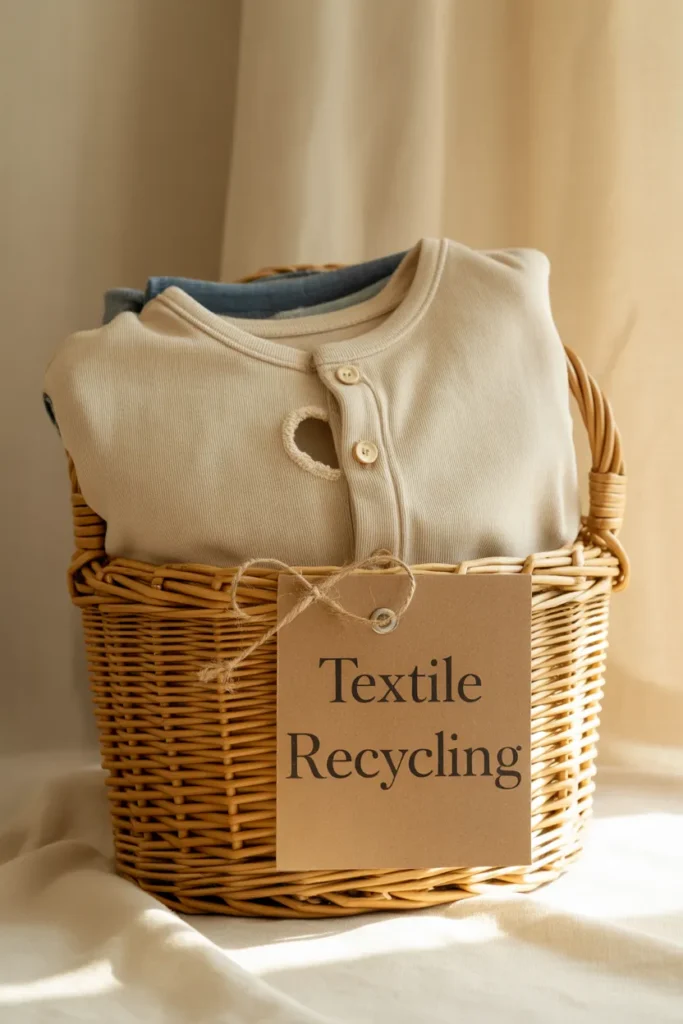
Where it goes: Worn-out cotton items go in a textile recycling bag, not a donation bin. The EPA reports that landfills received 11.3 million tons of textiles in 2018, accounting for 7.7 percent of all municipal solid waste landfilled, and donation centers throw out a huge portion of the damaged items they receive. Skip the middleman and recycle directly through your local program or a brand take-back like H&M or Levi’s. US EPA
3. Trend Pieces That Already Look Dated
Be honest. Every closet has at least two of these.
The puff-sleeve top from 2022. The neon biker shorts from the Y2K wave. The exaggerated cropped cardigan that already feels too cropped. Trend-driven pieces have a shelf life of about 18 months for visibility and three years for “intentional” styling. After that, they read as old, not vintage.
The capsule wardrobe approach favors trend-adjacent pieces over trend pieces. A relaxed straight-leg jean ages well. A super-low-rise jean does not. A camel trench is forever. A plaid trench from one specific season is not. If you’re rebuilding, the right capsule wardrobe brands lean toward silhouettes that look intentional in 2029 the same way they do today.
Where it goes: If the piece still has tags or has been worn fewer than three times, list it on Poshmark, Depop, or eBay within 60 days of cutting it. The longer you sit on a trend piece, the less it sells for. Pieces you’ve worn out go to consignment or donation depending on condition.
4. Duplicate Black Tops You Don’t Notice You Own
Pull every black top out of your closet right now. Lay them flat on the bed. Count them.
I bet you have between seven and twelve. I bet at least four are the same crewneck silhouette in slightly different fabrics. I bet two are pilling, one is too small, and one was a “just in case” buy that’s never left the hanger.
Three to four genuinely different black tops will serve any capsule wardrobe better than ten near-identical ones. Aim for: one fitted ribbed long-sleeve, one boxy oversized tee, one elevated silk or satin top, and one merino crewneck for cooler months. That’s the full range of what a black top does for an outfit.
Style two ways: A fitted ribbed black long-sleeve tucked into straight-leg jeans with a white sneaker reads as “Sunday errands but make it intentional.” The same top under a camel blazer with black trousers and loafers reads as “I have my life together at the Tuesday meeting.” One piece, two outfits, zero closet clutter.
Where it goes: Duplicates in good condition go to consignment or a friend (clothing swaps are gold for this category). Worn ones go to textile recycling.
5. Anything With Permanent Stains, Holes, or Broken Hardware
You know which piece I’m describing. The one you keep planning to “fix soon.”
Permanent stains (oil, wine that set, deodorant marks that bleached the fabric), holes that aren’t a deliberate distressed feature, broken zippers that don’t catch, missing buttons you never replaced, and clasps that snap when you wear them. If you haven’t repaired the issue in the first three months after it happened, you won’t.
The exception: a single missing button on an otherwise perfect blazer or shirt. That’s a 10-minute fix at any tailor for under $5. Do it this week or the piece goes.
Where it goes: Damaged pieces go straight to textile recycling. Donation centers cannot resell damaged clothing, and a portion of the unsellable donations they receive end up landfilled, which is part of why the EPA’s textile waste data shows an over 50 percent increase between 2000 and 2018 in the U.S.. Direct-to-recycling is the responsible move. U.S. GAO
6. Shoes That Hurt or No Longer Match Your Lifestyle
This is the category most people undercount.
Open your shoe section. Pull out every pair you haven’t worn in the last six months. Look at why. If a pair hurts after 30 minutes, it will keep hurting forever. If a pair pinches your toe in November, it will still pinch in March. No amount of “breaking in” fixes wrong-shape shoes after the second wear.
Then look at lifestyle fit. If you stopped commuting in 2023 and you still have four pairs of stiff leather pumps gathering dust, your wardrobe is solving a problem you no longer have. Replace them with one pair of comfortable loafers, one pair of clean white sneakers, one pair of versatile ankle boots, and one pair of sandals or flats appropriate to your climate. That covers 90% of capsule wardrobe needs.
Style two ways: A clean white leather sneaker (think Veja, Adidas Stan Smith, or Cariuma) pairs with straight-leg jeans and a white tee for weekend, and with a midi dress and a tote for low-key office days. A black loafer styles errands-with-jeans on Saturday and tailored trouser Tuesday at work without changing the shoe.
Where it goes: Lightly worn shoes in good condition go to consignment (Poshmark, The RealReal for designer). Worn shoes go to a Soles4Souls drop-off, which redistributes wearable shoes to people who need them.
7. Special Occasion Pieces You Keep “Just in Case”
The cocktail dress from the 2019 wedding you haven’t worn since. Three sequined tops “for New Year’s.” Two formal gowns from sorority formals a decade ago.
Special occasion pieces accumulate quietly because you tell yourself “what if.” Here’s the math. You’ll get invited to maybe two black-tie events a year. You need one black-tie option, not five. Anything beyond two formal pieces in a non-celebrity closet is dead weight.
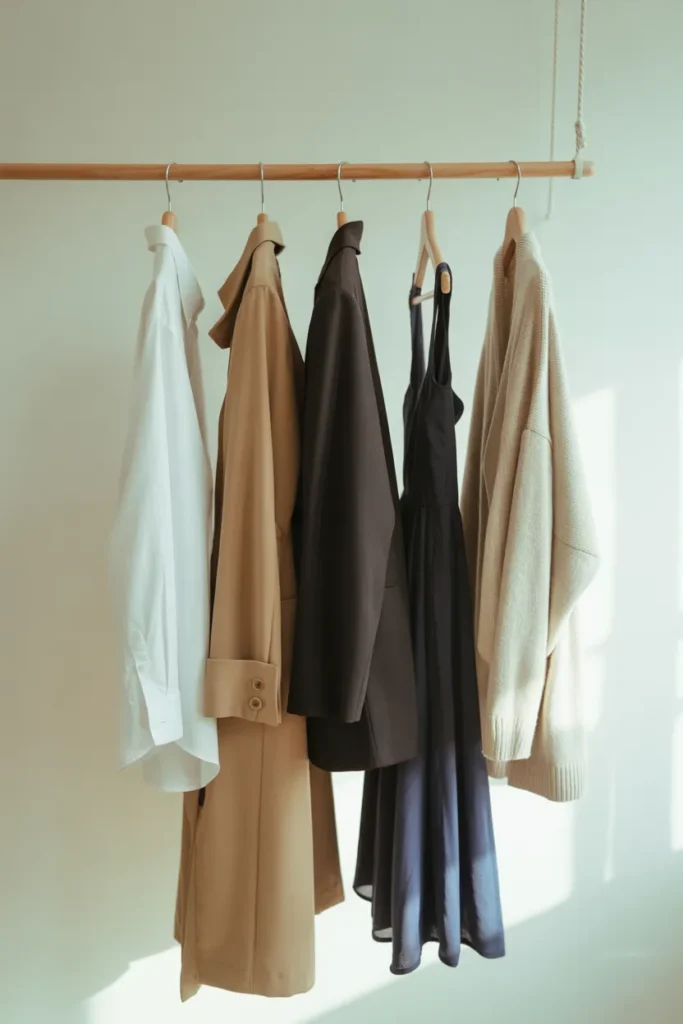
The capsule approach: one little black dress that styles up with statement jewelry and down with a denim jacket, and one second formal piece that complements your coloring (a navy slip dress, a forest-green wrap dress, a champagne midi). That’s it. If you need something for a once-in-a-decade event, rent from Rent the Runway or Nuuly for $30 to $80. Cost-per-wear math wins again.
Where it goes: Formal pieces still in style go to consignment shops that specialize in occasion wear. Older pieces with sentimental value can be donated to organizations like Operation Prom or Becca’s Closet, which provide formalwear to teens for school dances.
8. The Sweater Pile That Itches, Pills, or Sheds
Pick up each sweater. Hold it against your bare arm. If it itches in five seconds, it’ll itch all day, no matter how much you love how it looks.
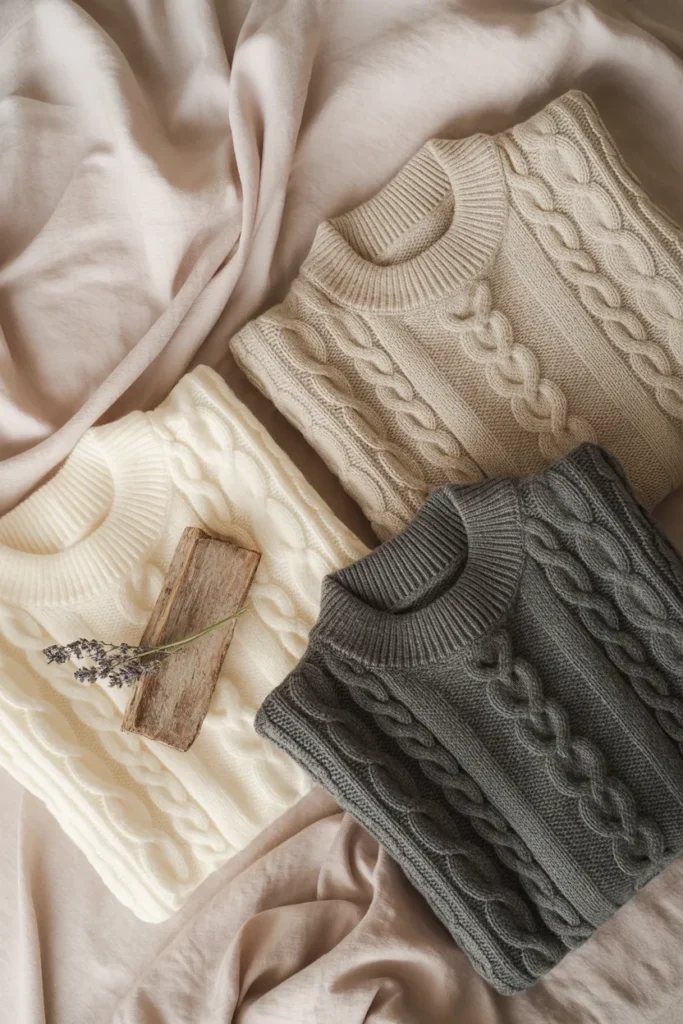
Acrylic sweaters and cheaper wool blends are the worst offenders for itching, pilling, and fuzz transfer onto everything else in the wash. They photograph fine but feel terrible after lunch. Replace itch-prone pieces with merino wool, cashmere (Quince makes a $50 cashmere crewneck that punches several times above its price), or 100% cotton knits. The cost-per-wear on a $50 cashmere sweater you wear weekly all winter is about $1 a wear by February.
Care tip for the keepers: Hand wash or cold-machine wash on delicate, lay flat to dry. Never hang knits (they stretch at the shoulders). Store folded with a cedar block, not mothballs.
Plus-size and petite adaptation: Quince, Universal Standard, and J.Crew all carry merino and cashmere knits in extended size ranges up to 3X. Petites should look for cropped or shrunken-cut versions to avoid the “swimming in fabric” look.
Where it goes: Itchy sweaters in good condition go to a friend who runs cold or to consignment. Pilled and shed-prone sweaters go to textile recycling.
9. The Workout Clothes Graveyard
Old race tees from a 5K in 2017. Yoga leggings with the elastic giving out at the waist. Three sports bras that don’t actually support anymore. Sweat-stained tank tops you “wear around the house.”
The unspoken truth: you have at least six workout pieces you wear, and another fifteen you don’t. The fifteen are taking up the prime real estate of your closet for 0% of your getting-dressed decisions.
Trim the workout section to: three to five tops, two to three pairs of leggings or shorts, two sports bras at your current support level, and one zip-up or hoodie. That covers three to four workouts per week with a wash cycle.
Where it goes: Race tees and souvenir shirts can be turned into a memory quilt by services like Project Repat. Worn-out activewear (especially with elastic breakdown) goes to textile recycling. Activewear in good condition can be donated to women’s shelters or organizations like Bra Recyclers.
10. “I Paid Too Much to Get Rid of It” Pieces
The hardest cut. The most freeing cut.
You spent $400 on a designer bag that doesn’t match your daily life. You bought $250 boots that pinch. You invested in a dress that’s never been worn outside the store. The money is already gone. Holding the piece in your closet doesn’t bring it back. Selling the piece on Poshmark or The RealReal might bring back 30 to 60% of it.
The sunk cost fallacy is what turns closets into museums. The piece you’re keeping out of guilt is making it harder to find the pieces you actually love. Cut the guilt loose. Recover what you can on the resale market. Apply the lesson to future purchases by waiting 48 hours on anything over $100.
Where it goes: Higher-end pieces (designer, premium denim, quality leather) go to The RealReal or Fashionphile for handbags. Mid-tier pieces in great condition go to Poshmark or ThredUp’s Clean Out Kit. The faster you list, the more you recover.
Build This Look With What You Already Own (No Shopping Required)
Before you let any closet declutter inspire a shopping spree, do this exercise. Pull out your favorite five pieces in the closet (the ones you reach for weekly). Lay them on the bed. Now build five outfits using only those five pieces and what’s already in the rest of your wardrobe.
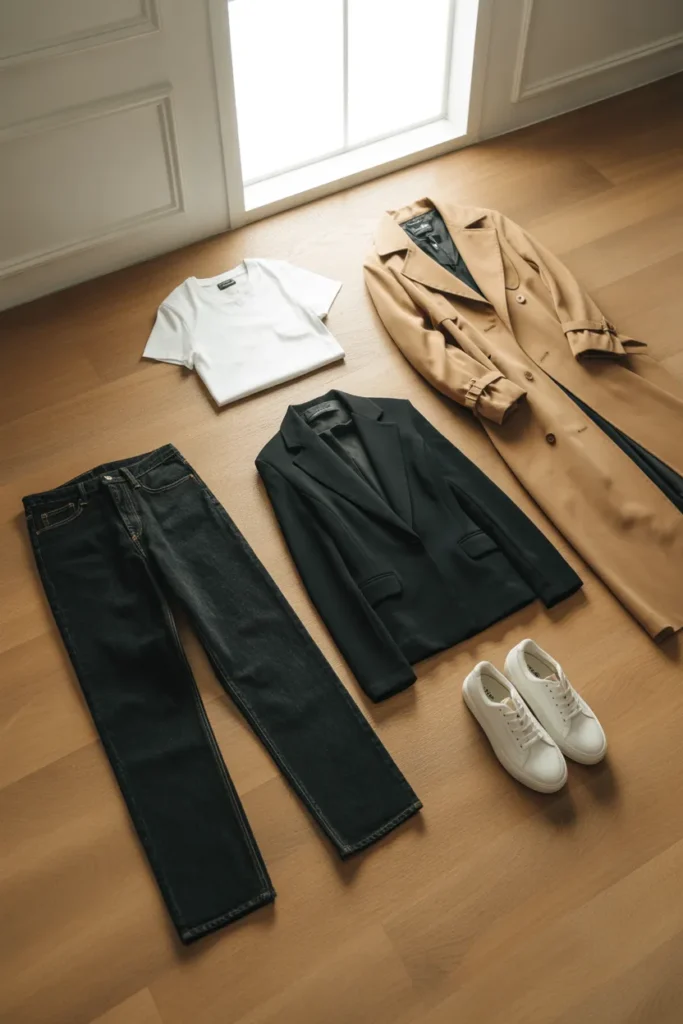
Almost every closet I’ve helped edit has 80% of a strong capsule already living inside it, buried under the items we just talked about removing. A white tee, straight-leg jeans, a black blazer, a neutral trench, and a white sneaker will style at least 15 outfits without buying a single thing. Throw in a midi dress and a loafer and you’re at 25.
If you want a starting structure, my 5 business casual outfits from a capsule wardrobe post breaks down five complete looks built entirely from existing capsule pieces. None require shopping. All scale up or down with whatever you already own.
Where to Send Each Pile (The Decision Tree)
This is the part most closet declutter posts skip. Here’s exactly where each removed item should go.
Donation (Goodwill, Salvation Army, local women’s shelter): Everyday clothing in good condition. No stains, no holes, all hardware functional.
Consignment (ThredUp, Poshmark, The RealReal, local shops): Premium and designer pieces, near-new items with tags, currently-in-style pieces under three years old.
Specialty resale (Rebag, Fashionphile, Vestiaire): Designer handbags, luxury leather goods, fine jewelry.
Textile recycling (H&M, Madewell denim, local programs): Stained, torn, pilled, or otherwise unsellable items. U.S. textile waste increased over 50% between 2000 and 2018, and putting damaged clothing in donation bins instead of recycling streams contributes directly to that. Recycle responsibly. U.S. GAO
Specialty donation: Formalwear to Operation Prom, professional clothing to Dress for Success, shoes to Soles4Souls, bras to Bra Recyclers.
Tailor (not the donation bin): Almost-perfect pieces with a fixable issue. Hems, missing buttons, simple resizing under one size. Pricing it out before you donate often saves a beloved piece.
How Often to Do This
Twice a year is the capsule sweet spot. Once at the seasonal turn from winter to spring (March or April), once from summer to fall (September or October). A 20-minute weekly mini-edit (pull one item to the donate pile every Sunday) keeps the bigger sessions painless.
If you’ve never done a full closet declutter, your first round will take three to four hours and fill several bags. Every subsequent round takes 60 to 90 minutes. The first one is the hard one. After that, it gets almost meditative.
FAQ: 10 Items to Remove from Your Closet Right Now
How often should you declutter your closet?
Twice a year is the sweet spot for most people. Do a deeper edit at the spring and fall seasonal shifts, and a 15-minute mini-edit weekly where you pull one item to the donate pile. This rhythm keeps your closet manageable without turning every season into a project.
How do I declutter my closet without regret?
Use the “maybe box” trick. Put borderline items in a sealed box with the date written on the outside, store it under the bed for 90 days, and don’t open it. If you didn’t reach for anything inside during those three months, donate the entire box without opening it. You won’t regret what you can’t remember owning.
What is the 80/20 rule for clothes?
The 80/20 rule says you wear 20% of your clothes 80% of the time. The other 80% mostly sits unworn. The closet declutter goal is to flip that ratio by removing the unworn 80%, which is exactly what the 10 items in this post are designed to identify.
How many clothes does the average woman own?
Estimates vary, but most U.S. women own between 100 and 150 hanging items, plus drawer items, totaling roughly 200 to 300 garments. A working capsule wardrobe runs between 30 and 50 pieces per season. The gap between those numbers is your decluttering opportunity.
How do I style a capsule piece if I don’t own a key staple like a blazer?
Sub in what you have. A long cardigan substitutes for a blazer in casual contexts. A denim jacket substitutes in weekend looks. A button-down shirt worn open over a tee substitutes in transitional weather. You don’t need every “essential” before your capsule works. Start with what you own, identify the one most useful gap, and shop intentionally for that one piece. If you want to build a capsule wardrobe from scratch, starting with what you already wear is the fastest path.
What size should I order if I’m between sizes when replacing pieces?
Size up for structured pieces (blazers, button-downs, trousers) so you can tailor them down. Size down for knits and tees that stretch with wear. Always check the brand’s size chart against a piece you already own and love rather than trusting size labels alone. Universal Standard, Quince, and J.Crew all run consistent across their size ranges.
Is this closet declutter approach seasonal or year-round?
Year-round, with seasonal deepening. The 10-item framework applies regardless of season. The intensity changes. Spring and fall trigger fuller edits because you’re rotating in or out a whole season’s worth of clothing anyway. Summer and winter call for lighter touch-ups.
How do I pack a capsule wardrobe for travel after I declutter?
A 7-piece carry-on capsule (3 tops, 2 bottoms, 1 dress, 1 outerwear) plus 2 pairs of shoes covers a 5 to 7 day trip in any climate. Stick to a 2-color neutral palette so everything mixes. Roll knits, fold woven pieces, and use packing cubes by category. The same capsule logic that simplifies your closet simplifies your suitcase.
The Bottom Line on Removing Closet Clutter
Your closet should make getting dressed easier, not harder. Every item you remove is one less decision, one more visible piece of what you actually love, one step closer to a wardrobe that feels intentional instead of accidental.
Start with the easiest cut (worn-out basics, broken hardware, clear duplicates) and work your way toward the harder ones (sentimental pieces, expensive mistakes). Give yourself a Saturday afternoon. Put on a good playlist. Be honest. The closet you’ll have on Sunday morning will quietly change how you feel getting dressed for months.
Save this checklist for your next capsule wardrobe refresh, and the one after that. Your future self, standing in front of a calmer closet at 7am on a Tuesday, will thank you.

Keep reading

How to Make a Capsule Wardrobe Vision Board (That Actually Guides You)
A capsule wardrobe vision board is supposed to make getting dressed easier. Most of them do the opposite. You save four hundred...

The Capsule Wardrobe Template That Starts With Your Real Closet
You’ve downloaded a capsule wardrobe template before. Maybe three. There was a tidy list of thirty pieces, a suggested color palette, and...

7 Day Cruise Capsule Wardrobe: One Bag, Every Occasion Covered
A 7 day cruise capsule wardrobe sounds like a contradiction. One week, four dress codes, two climates, and a closet roughly the...