
The Best Loafers for Women in 2026, Chosen the Capsule Way
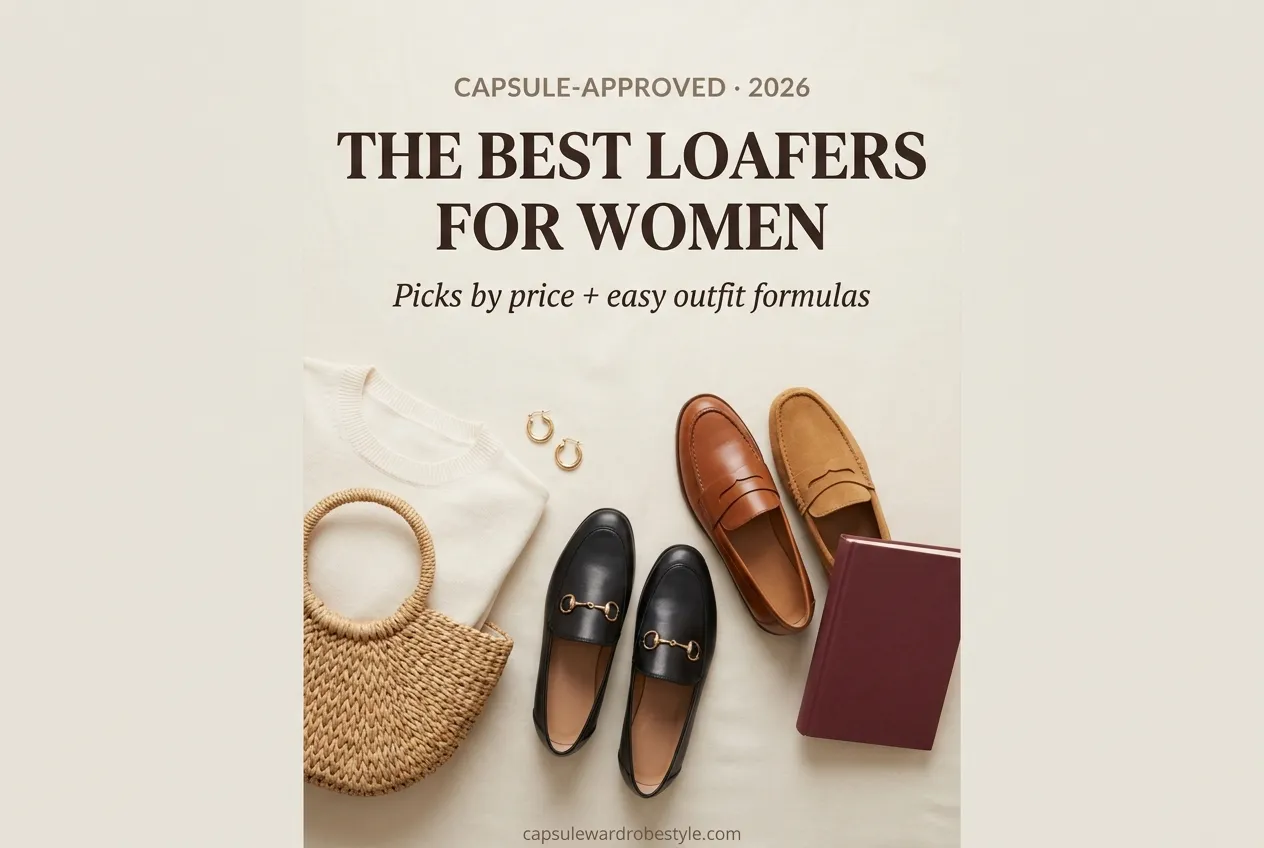
You bought loafers once. They pinched, they slid at the heel, and now they live at the back of the closet judging you. Let’s fix that. The best loafers for women are not the trendiest ones. They are the pair you reach for on a Tuesday, then again on Saturday, then to the airport, until the cost per wear drops to almost nothing.
This guide is built the capsule way. Fewer picks, better ones, each chosen to earn its hanger space and stretch across seasons. You get real styles, honest price ranges, a fit guide for your proportions, and outfit formulas you can copy before coffee.
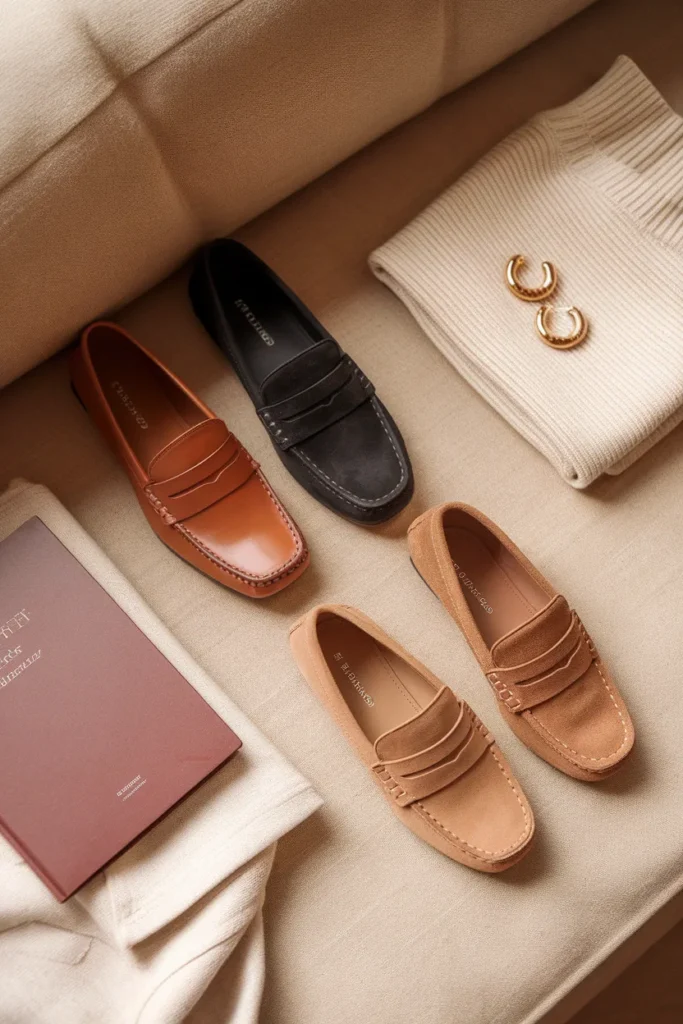
What Makes a Loafer Capsule-Approved
Most “best loafer” lists rank by hype. We rank by whether a shoe pulls its weight in a small, hardworking wardrobe. A capsule-approved loafer clears four bars.
It plays with everything you already own. If it only works with one outfit, it fails the outfit math. Think neutral base first: brown, black, or a soft camel that bridges warm and cool pieces.
It is comfortable enough to walk in. A shoe you baby is a shoe you leave home. Podiatry guidance on choosing footwear stresses a supportive sole and a fit matched to your arch, which is why a cushioned footbed and a stable low heel matter more than a pretty toe.
It reads more expensive than it costs. Clean stitching, a real leather or suede upper, and a heel that holds its shape are what create that quiet-luxury look. The same instinct behind elevated basics that read expensive applies to your shoes.
It stretches across seasons. Bare in summer, with socks in fall, under trousers in winter. One pair, many months.
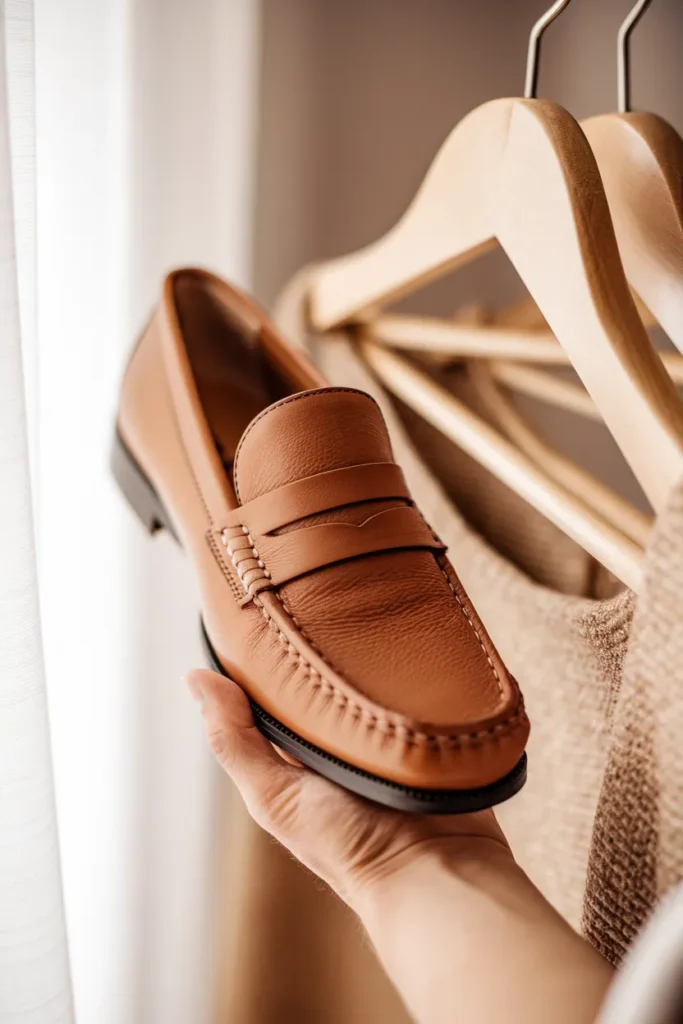
Here is the buying checklist, made to screenshot.
The Capsule Loafer Checklist
- Neutral color you already wear (brown, black, camel, or bone)
- Real leather or suede upper, not coated plastic
- Cushioned footbed or a removable insole for your own orthotic
- A roomy enough toe box that your toes are not pressed together
- A low, stable heel under one inch
- A heel cup that grips so you do not walk out of them
The Five Loafer Styles Worth Knowing
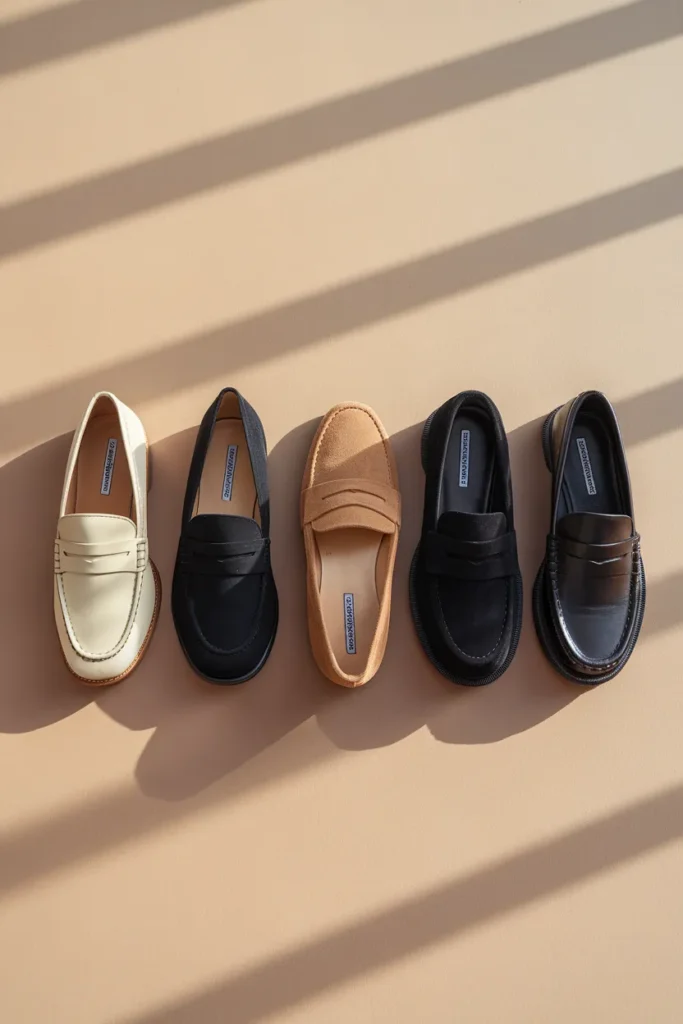
You do not need every style. You need the one that fits your life. Here are the five that keep showing up on the best-loafer lists, and who each one is for.
The Penny Loafer
The classic. A slim, low silhouette with the little strap across the top, it is the one your grandmother and your favorite French-girl reference both wore. G.H. Bass literally invented the style in the 1930s, and the Weejuns line is still the reference point. Expect roughly $155 to $195 for the heritage pair. Want the look for less? The Quince Italian Suede Penny Loafer runs around $84, with the trade-off that suede needs a protectant spray and a little more care than smooth leather.
Best for: anyone who wants one timeless shoe that never dates.
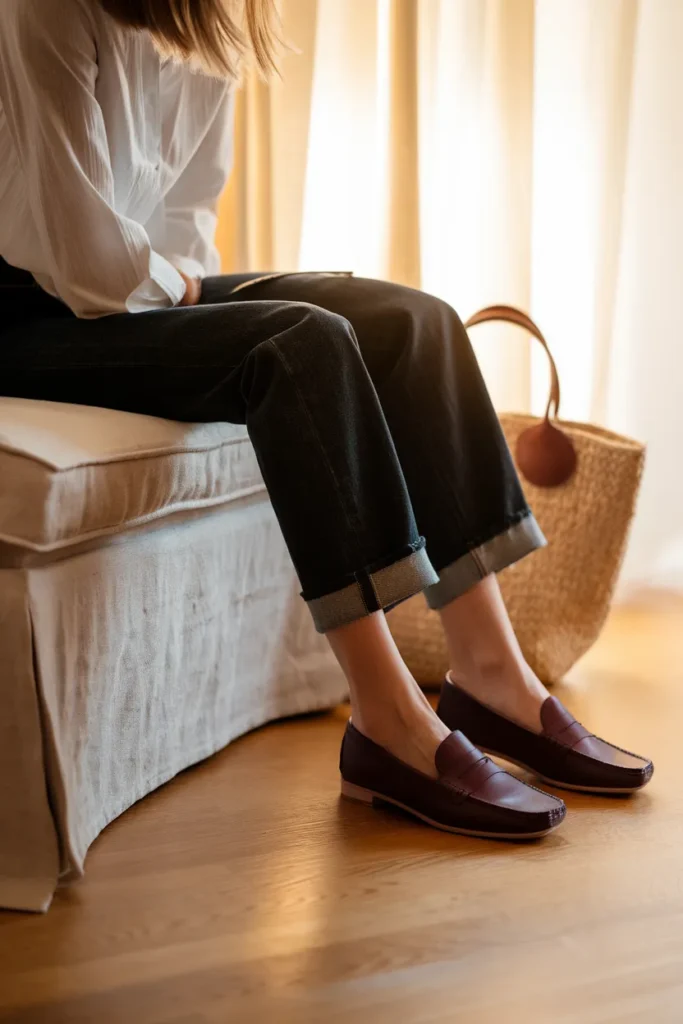
The Horsebit Loafer
The polished one, marked by the small metal snaffle across the vamp. It dresses an outfit up instantly, which is why it lives in so many work capsules. Contemporary versions from brands like Sam Edelman sit in the mid range, while the investment reference is Gucci. The bit adds shine, so let the rest of the outfit stay quiet.
Best for: the office, dinners, anytime you want a shoe that looks intentional.
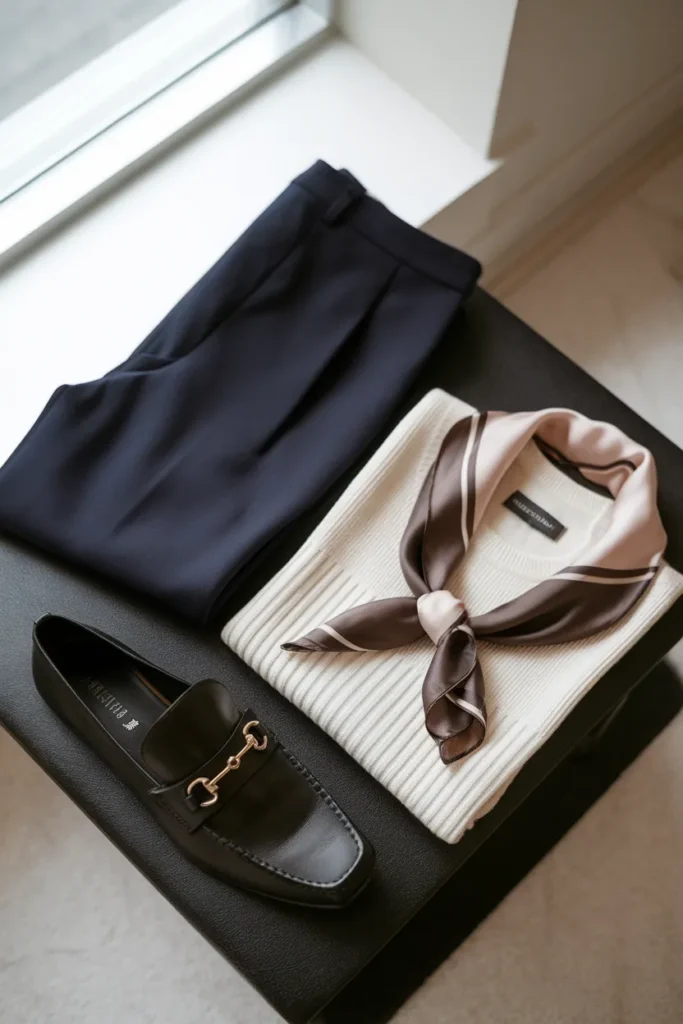
The Lug-Sole Loafer
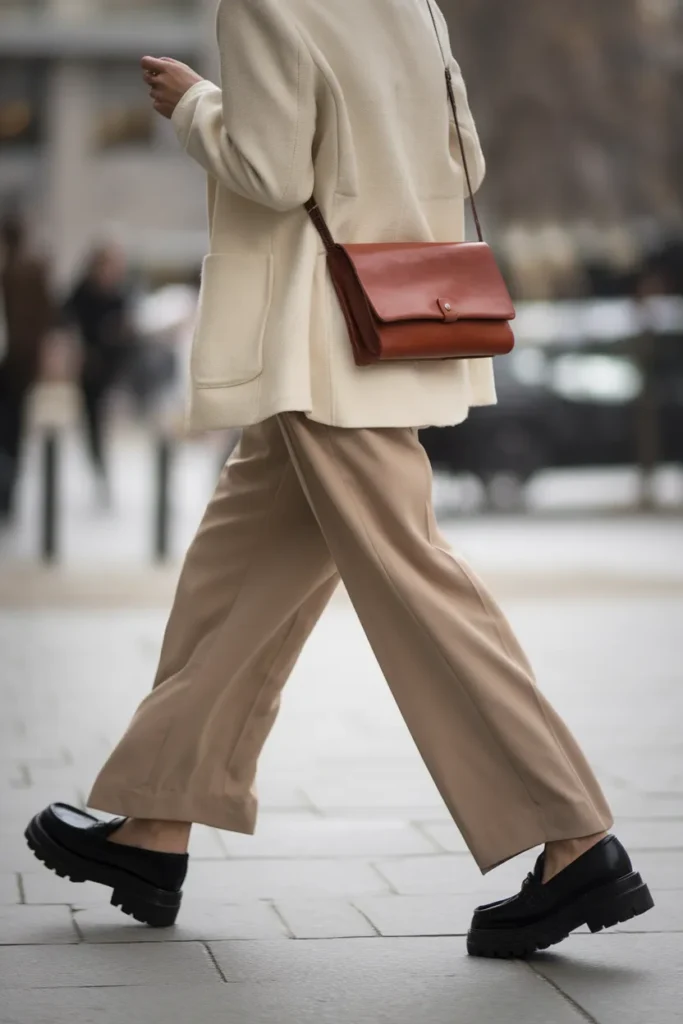
The modern one, built on a chunky treaded sole. It grounds floaty dresses and wide trousers, and the extra height is quietly welcome. Madewell and G.H. Bass both do strong lug versions in the $175 to $245 range. It reads younger and a little tougher, so it is the pick if the sleek penny feels too prim for you.
Best for: fall and winter, dresses, and anyone who wants a bit of edge.
The Driving and Soft Loafer
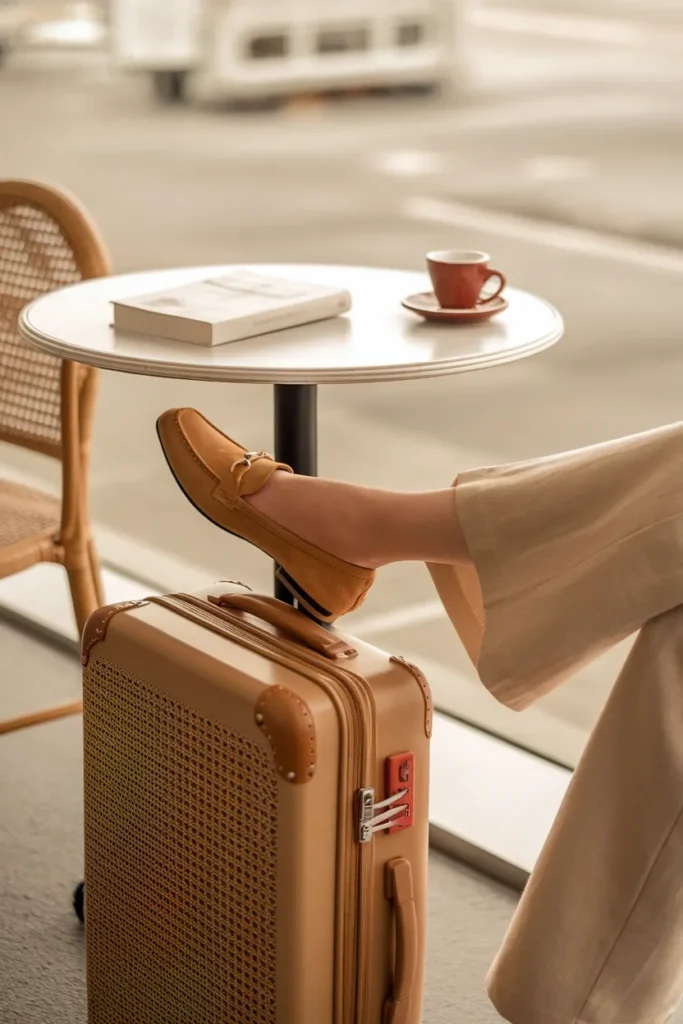
The comfortable one. A flexible, lightweight moccasin build with a soft sole, made for real walking and travel. This is the category that answers the very common search for the most comfortable loafers for walking. The Vionic Uptown, at roughly $99 to $145 , shows up on comfort lists again and again for its arch support.
Best for: travel days, errands, and feet that need cushioning.
The Chunky and Trend Loafer
The statement one. Thick soles, bold hardware, sometimes a heel. Pinterest loves these right now, and styling tips for chunky loafers is a genuinely popular search. Buy this last, after your neutral workhorse pair, because trend shoes have a shorter shelf life in a capsule.
Best for: adding one bit of personality once your basics are covered.
The Best Loafers for Women by Price Tier
No single loafer is “best” for everyone, so here is a real pick at every budget. Prices move, so confirm before you buy.
| Tier | Style | Price range | Best for |
|---|---|---|---|
| Mass ($10–$50) | A New Day / Amazon Essentials loafer flat | around $25 to $45 | testing the trend before investing |
| Mid ($50–$150) | Quince Italian Suede Penny Loafer | around $84 | a suede pair that punches above its price |
| Mid–Contemporary | Vionic Uptown | around $99 to $145 | all-day comfort and arch support |
| Contemporary ($150–$400) | G.H. Bass Weejuns / Madewell lug | around $155 to $245 | a heritage or modern pair to keep for years |
| Investment ($400+) | Horsebit from a luxury house | $400 and up | one forever shoe, if the cost per wear earns it |
The capsule move is to buy one great mid-tier neutral pair first. A shoe worn a hundred times at $120 costs a little over a dollar per wear. A $40 pair worn twice costs $20 each time. That is the real math. This is the same thinking that keeps [polished office outfits] cohesive without a huge budget.
How Loafers Should Fit Your Feet and Your Proportions
A loafer only earns capsule status if it actually fits. Two kinds of fit matter: the shoe on your foot, and the shoe with your body.
For the foot, loafers should feel snug at the heel and roomy at the toes. A slight heel slip when brand new is normal with leather, since the sole flexes and the heel settles as you break them in. If your toes are pressed together, size up or look for a wide width. Matching the shoe to your arch and giving your toes room is exactly what podiatric guidance recommends. [second mention of APMA context, no duplicate link]
For proportion, a few honest notes.
Petite (5’4″ and under): a low-vamp penny loafer with a slightly pointed or almond toe elongates the leg. A very chunky lug sole can visually shorten a petite frame, so keep the sole moderate.
Wide feet: look for brands offering W widths and soft, seam-free uppers. A stretch or knit loafer works with the shape of your foot instead of against it.
Tall (5’9″ and over): you can carry a chunkier lug or a heeled loafer beautifully, and a longer trouser balances the extra sole height.
Over 40: comfort and quality read as elevated, not aged. A clean leather penny or a cushioned driver looks current at any age, as covered in our [capsule wardrobe for women over 40].
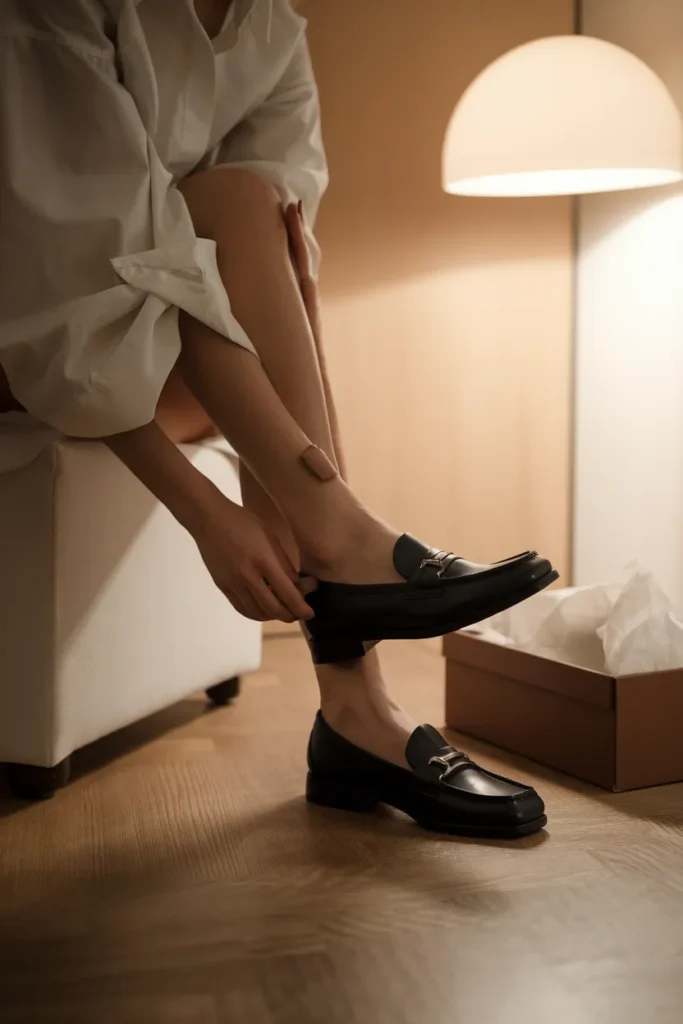
Loafer Outfit Formulas You Can Copy
The fastest way to look pulled together is to stop styling from scratch every morning. Save these formulas. They answer the classic question of what clothes look good with loafers.
Formula 1, the easy weekend: straight or cropped jeans, a white tee, a loafer, a tote. Add a belt and you are done. The [wide-leg trousers outfits] swap works here too if you prefer a looser leg.
Formula 2, quiet luxury: camel trousers, an ivory knit, a horsebit loafer, gold hoops. This is the whole French-girl, old-money look in four pieces.
Formula 3, the dress reset: a midi dress or skirt with a lug-sole loafer to ground it. The chunky sole keeps a floaty dress from reading too sweet.
Formula 4, smart casual: dark trousers, a blazer, a penny loafer. It bridges the gap between too-casual and too-formal, which is the heart of smart casual outfits for women. Finish it with the right belt to finish the look.
On the sock question that comes up constantly: bare or with an invisible no-show in warm weather, and a thin ribbed sock peeking out in fall. Skip thick athletic socks, which fight the sleek line of the shoe.
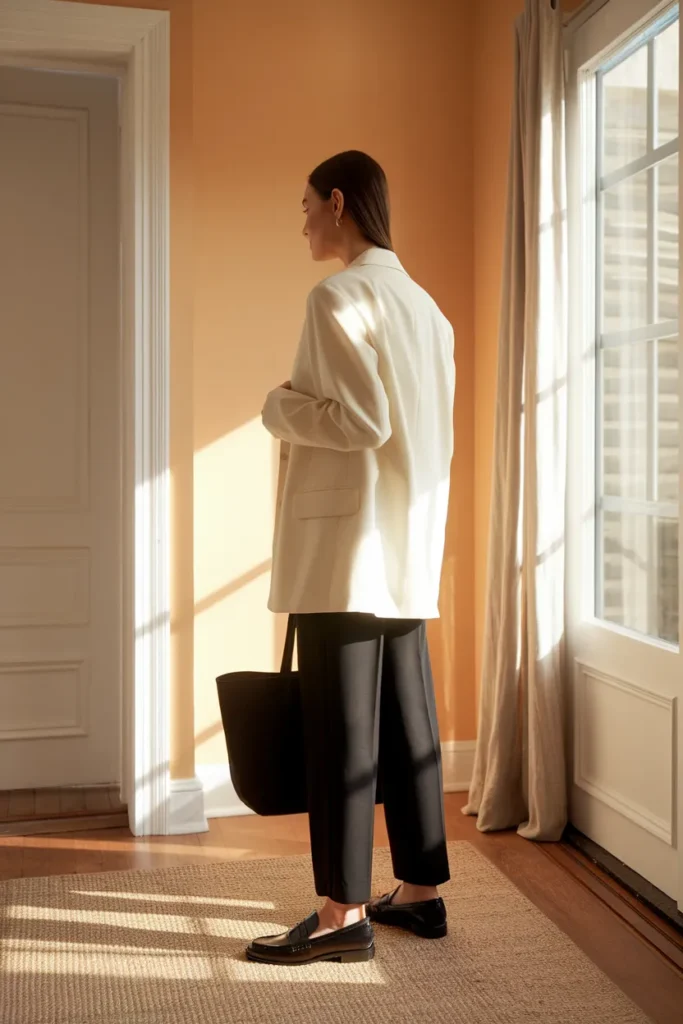
Styling Loafers for Fall 2026
Fall is loafer season, and the save-worthy Pinterest looks lean into layering. Trade bare ankles for a thin ribbed sock, pull on a trench, and let brown leather do the heavy lifting against oatmeal knits. A lug sole handles wet leaves better than a slim penny, so keep the chunky pair by the door once the weather turns.
Transitional dressing is where one good loafer proves its worth, carrying an outfit from a warm afternoon to a cool evening without a second thought.

Frequently Asked Questions
Should women wear loafers in 2026?
Yes. Loafers are one of the most reliable capsule shoes going, and they read as effortless and polished at once. They have moved well past a trend into a permanent basic.
Are women’s loafers still in style for 2026?
They are. Penny and lug-sole shapes in particular keep showing up in fall styling, and the neutral versions never really cycle out.
How do I wear loafers without looking dated?
Keep the outfit modern around them. Pair a classic penny with straight or wide-leg trousers and cropped hems rather than bootcut, and skip thick socks. A current silhouette elsewhere keeps a timeless shoe looking fresh.
What clothes look good with loafers?
Jeans, tailored trousers, midi skirts and dresses, and shorts in summer all work. The four formulas above cover the easiest combinations.
What should I not wear with loafers?
Thick athletic socks, very fussy or frilly hems that fight the clean line, and, generally, anything that makes the shoe look accidental rather than chosen. Let the loafer stay the polished anchor.
Are cheaper loafers worth it, or should I invest?
A sub-$50 pair is fine for testing the style, but the trade-off is usually a coated upper and a thinner sole that wears out faster. For a shoe you will wear constantly, a mid-tier leather or suede pair around $84 to $150 gives the best cost per wear.
Can loafers work year-round?
Yes, and that is their capsule superpower. Bare in summer, with a thin sock in fall and spring, and under trousers in winter. One pair genuinely stretches across all four seasons.
The Bottom Line
The best loafers for women are the ones that quietly disappear into your routine and make everything look considered. Start with one neutral, comfortable, well-made pair, learn the formulas, and let the cost per wear fall until the shoe feels almost free. Then, and only then, add the fun chunky pair.
Ready to build the rest of the closet around them? Grab a cup of coffee, pull up your favorite formula, and start with the one pair you will actually wear this week.
Keep reading

The 8 Capsule Wardrobe Tops That Anchor Every Outfit You Own
You have more tops than anything else in your closet. You also have the least to wear. That contradiction is what sends...

The 6 Capsule Wardrobe Jackets That Actually Earn Their Hanger Space
You own more jackets than you wear. Most of us do. The denim one from three summers ago, the blazer that fits...

Capsule Wardrobe Accessories: The Small Pieces That Change Everything
You built the capsule. Thirty pieces, mostly neutral, all of them things you actually like. And getting dressed is faster now, which...