
The Best Wool Coats for a Capsule Wardrobe in 2026

Your closet is full and you still feel cold and underdressed every December. The fix is not another coat. It is the right one. A good wool coat is the single piece that makes a whole winter capsule look pulled together, and the best wool coats for women earn their hanger space by going with almost everything you already own.

Here is what this guide does differently. We are not going to dump thirty coats on you. We are going to help you pick one or two that anchor your capsule, look right on your body, and cost less per wear than the cheap coat you replace every year.
I say that from experience, I rebuilt my winter capsule around a single camel wool coat this past season and wore it 40+ times between October and February, which dropped its cost per wear under $4.
What Makes a Wool Coat Worth Buying
A wool coat is worth buying when the fabric, the cut, and the color all pull their weight. Get those three right and you own it for a decade. Get them wrong and it pills by January.
Start with the fabric. Wool traps warm air in its natural crimp, which is why it insulates without bulk. According to the University of Missouri’s guide to merino fiber, finer fibers measured in microns feel softer against the skin, so a lower micron count usually means a smoother, less scratchy coat. That is the difference between a coat you reach for and one that lives at the back of the closet.
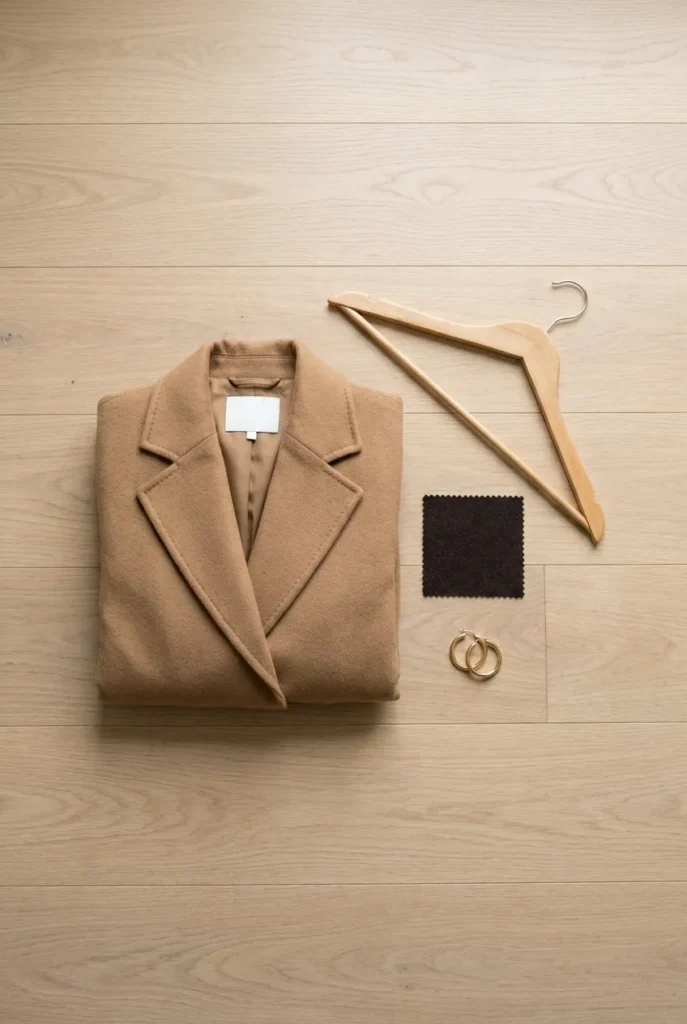
100% Wool or a Wool Blend?
Both can be excellent, and the honest answer is that it depends on the blend. A high-wool coat (think 60% wool or more) usually gives you the warmth and drape you want. Some blends add a little polyamide or cashmere on purpose: a touch of nylon improves durability, a little cashmere adds softness and price.
Pure 100% wool feels beautiful and insulates hard, but it can be heavier and needs gentler care. A quality wool-rich blend is often the smarter capsule buy because it resists pilling and wrinkles better. If the tag reads mostly polyester with a whisper of wool, skip it. That is a wool-look coat, not a wool coat.
Fabric and Fabric Weight
Melton wool is dense, smooth, and structured, ideal for tailored coats that hold their shape. Boiled wool is springy and cozy but reads more casual. Lambswool is soft and warm and a common sweet spot. For a true winter coat, look for a heavier fabric weight with a quilted or fully lined interior, which is exactly what makes a peacoat feel warmer than its thickness suggests.
The Best Wool Coats for Women in 2026
These are the picks that keep showing up as capsule anchors: timeless silhouettes, honest fabric, colors that stretch across seasons. Prices are ranges, not promises, so confirm the current number before you buy.
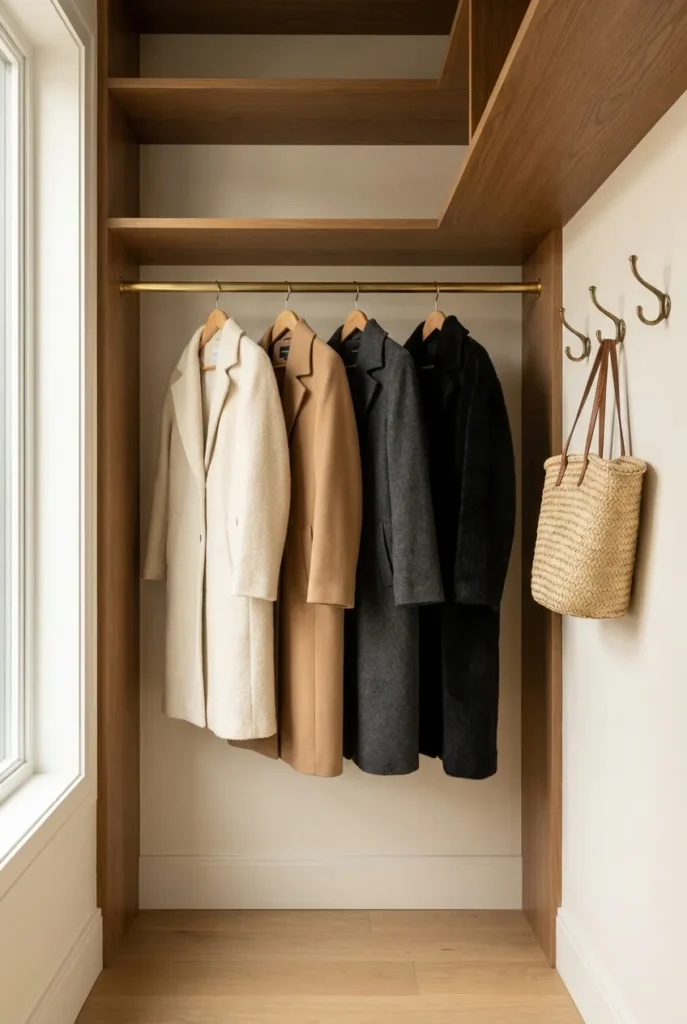
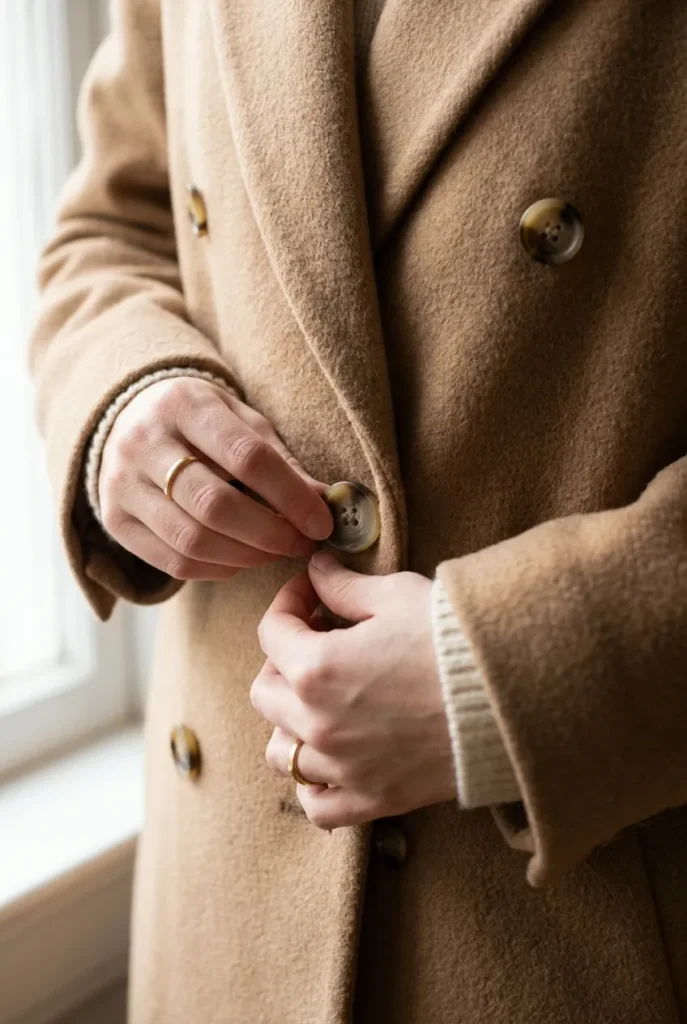
Best Overall Capsule Coat: A Longline Double-Breasted in Camel
The most useful coat you can own is a knee-length double-breasted style in camel. It works over jeans on Saturday and over trousers to the office on Monday. Look to Abercrombie, Mango, or Marine Layer in the mid tier, typically $150 to $300 . Camel is the neutral that reads expensive for the least effort, which is why it never leaves the trend cycle.
Best Value: Under $200 and Still Warm
You do not need to spend four figures. Quince and Abercrombie both make wool-rich coats that punch above their price, often landing $120 to $180. The trade-off at this tier is usually a lighter lining, so size with a sweater in mind and check the wool percentage before you commit.
Best Investment: A Coat You Keep for a Decade
If you want the buy-it-for-life piece, contemporary and investment labels like Everlane, Vince, or Pendleton sit around $300 to $600, with Max Mara as the aspirational gold standard well above that. Before you splurge on a $600 coat, know that a $175 Melton wool double-breasted from the mid tier gets you most of the way there. Spend the money only if the fabric and fit are genuinely better in your hands.

Best Longline and Best Peacoat
For maximum coverage over tights and boots, a longline coat past the knee is the warmest-looking option and the one dominating Pinterest right now. For a shorter, sturdier classic, a lambswool peacoat with real insulation is hard to beat and layers cleanly. L.L.Bean and Schott NYC are the reliable names here, usually $280 to $560 .
How to Choose a Wool Coat for Your Body Type
The best coat is the one that works with your proportions, not against them. This is the part most roundups skip, so here is a screenshot-friendly fit guide.
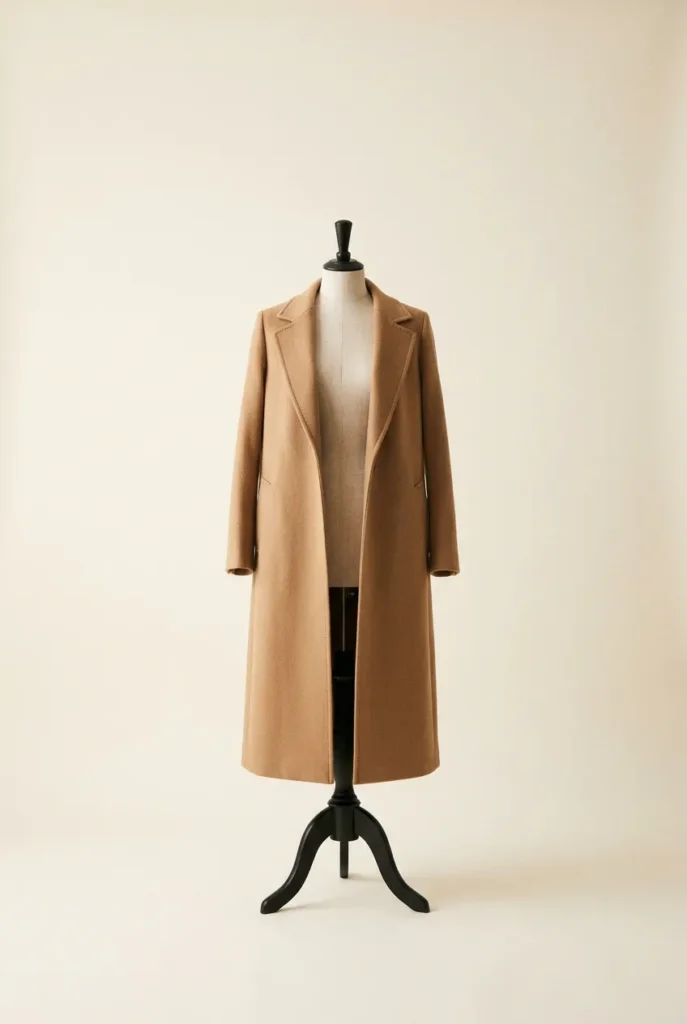
Petite (5’4″ and under): choose a coat that ends above or right at the knee so the length does not overwhelm you, and look for a slimmer, tailored cut. Tall (5’9″ and over): you can carry a full-length longline coat beautifully, so lean into it. Curvy and hourglass: a belted wrap style defines the waist and drapes cleanly. Pear: a coat with a little shoulder structure balances your proportions. Apple: a single-breasted straight cut skims rather than cinches, which feels comfortable and looks polished. Over 40: a structured shoulder and a quality fabric do more for a confident, elevated look than any trend detail.
For work specifically, a tailored wool coat is the fastest way to look pulled together on a cold morning. It layers over the same pieces you would wear in your winter work outfits that look expensive, so the coat does double duty.
How to Style a Wool Coat in a Capsule Wardrobe
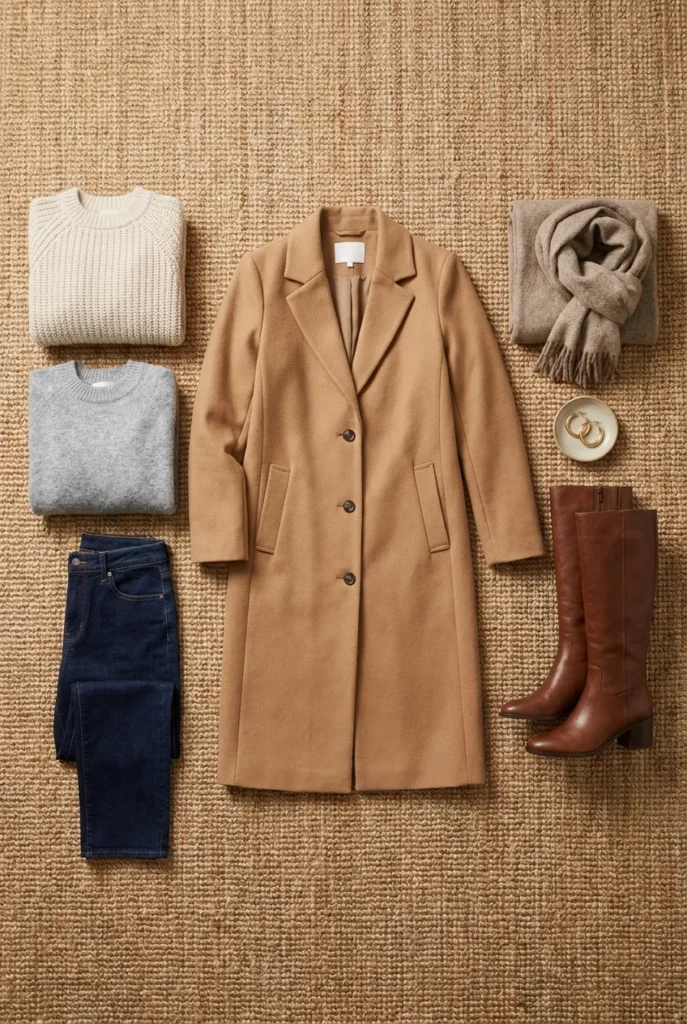
This is where a wool coat earns its keep: one piece, many outfits. The formula is simple. Neutral coat, plus one knit, plus one bottom, plus boots. Change any single layer and you have a new look.

Try the coat open over a cream turtleneck and dark denim for weekends. Belt it closed over trousers for the office. Add a scarf and a crossbody and you have covered a whole week. Tall boots are the finishing move, and the right pair matters, so borrow the pairings from these knee-high boots outfits for fall and winter.
For warmth without bulk, layer smart underneath. A thin merino turtleneck or a sweater vest layered over a shirt adds insulation while keeping the coat’s clean line. And if your coat runs oversized, a slim leather belt pulls the silhouette back in, which is exactly what the right capsule wardrobe belt is for.
How to Care for a Wool Coat So It Lasts
A wool coat rewards a little care with years of wear. The good news is that wool needs less washing than most fabrics because it naturally resists odor and creasing. Per The Woolmark Company’s care guidance, you should empty the pockets and remove the belt before storing, and hang the coat on a broad wooden hanger so the shoulders keep their shape.

Brush the coat gently after wear to lift dust and prevent pilling. Spot-clean small marks instead of over-washing. Air it out rather than dry cleaning after every wear, since frequent dry cleaning wears wool down faster. Between seasons, store it clean and buttoned in a breathable garment bag, never plastic. A coat treated this way easily outlasts the trend that sold it to you.
Building the Rest of Your Cold-Weather Capsule
A great coat is the anchor, but it needs a few teammates to reach its full potential. Think a couple of knits, one pair of trousers, one pair of jeans, tall boots, and a scarf. That is genuinely enough for a month of outfits.
If you want the full blueprint rather than guessing, the 20-piece winter capsule wardrobe shows exactly which pieces mix into thirty-plus looks, with the coat doing the heavy lifting. Buy fewer, wear more, and let the coat set the tone for everything else.
Where to Shop Wool Coats by Budget
Shopping by tier keeps you from overspending. Mass (Old Navy, Gap, H&M, Uniqlo) covers $40 to $100 wool-blend basics. Mid tier (Madewell, J.Crew, Banana Republic, Quince, Everlane) lands $120 to $300 and is the capsule sweet spot. Contemporary (Sezane, COS, Vince on sale) runs $300 to $500 , and investment labels sit above that.

Whatever tier you choose, judge the coat by fabric content and fit, not the label on the tag. A well-made mid-tier coat in a great color will outperform a designer coat that fits wrong every single time.
Frequently Asked Questions
Is a 60% wool coat good?
Yes, a 60% wool coat is generally a good buy. That is enough wool to give you real warmth and drape, and the remaining fibers often add durability or softness. Just check what the other 40% is: nylon or cashmere is a good sign, mostly polyester is not.
What type of wool is best for a coat?
For a structured, tailored coat, Melton wool holds its shape best. Lambswool is soft and warm and very wearable. Merino and cashmere blends feel luxurious against the skin. Match the wool to the coat’s job: dense Melton for a sharp overcoat, cozy lambswool for a peacoat.
Should I get a 100% wool coat?
You can, and it will be warm and beautiful, but it is not automatically better than a high-wool blend. Pure wool can be heavier and needs gentler care, while a smart blend resists pilling and wrinkles. Choose based on fabric quality and how the coat feels on, not the percentage alone.
How do I choose a coat for my body type?
Match the length and cut to your proportions: above-the-knee and tailored for petite, full-length for tall, belted for curvy and hourglass, and a clean single-breasted straight cut for apple shapes. The goal is a coat that works with your frame, not one that hides it.
Can you wash a wool coat at home?
Most structured wool coats should be spot-cleaned and aired out, not machine-washed, and dry-cleaned only occasionally. Always follow the care label. Brushing after wear and storing it properly does more for longevity than frequent cleaning.
Can you wear a wool coat in rain and snow?
Light rain and snow are fine, since wool naturally resists moisture and dries well at room temperature away from direct heat. For heavy downpours you will want a water-resistant layer, but for typical winter weather a wool coat handles it beautifully.
Is a wool coat worth the investment?
For most people, yes. A quality wool coat worn all winter for several years has a very low cost per wear, often lower than replacing a cheap coat annually. Buy the best fabric and fit you can afford in a neutral color, and it pays for itself.
The One Coat Worth Getting Right
If you take one thing from this guide, let it be this: you need fewer coats than you think, and one great wool coat beats a closet of almost-right ones. Pick a neutral, choose the cut that suits your body, care for it properly, and let it anchor everything else you wear this winter. Start with the silhouette you will reach for on a Tuesday, and build from there.
Keep reading

The 8 Capsule Wardrobe Tops That Anchor Every Outfit You Own
You have more tops than anything else in your closet. You also have the least to wear. That contradiction is what sends...

The 6 Capsule Wardrobe Jackets That Actually Earn Their Hanger Space
You own more jackets than you wear. Most of us do. The denim one from three summers ago, the blazer that fits...

Capsule Wardrobe Accessories: The Small Pieces That Change Everything
You built the capsule. Thirty pieces, mostly neutral, all of them things you actually like. And getting dressed is faster now, which...
One Comment