
Warm Autumn Color Palette: The Colors That Make You Glow
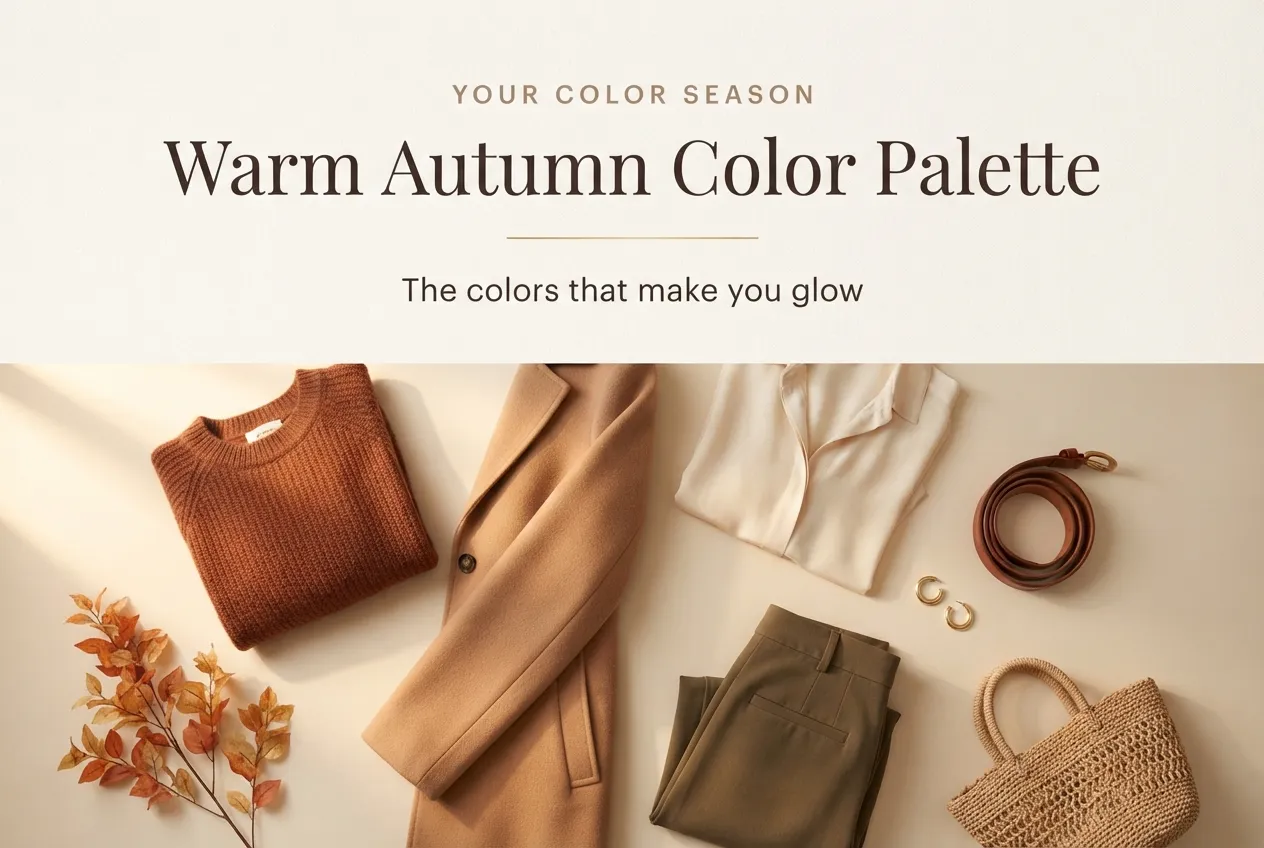
You have stood in front of a full closet and felt washed out anyway. The warm autumn color palette is often the missing piece. Get your season right and the right rust sweater can make you look rested, lit-from-within, like you slept eight hours you did not actually get.
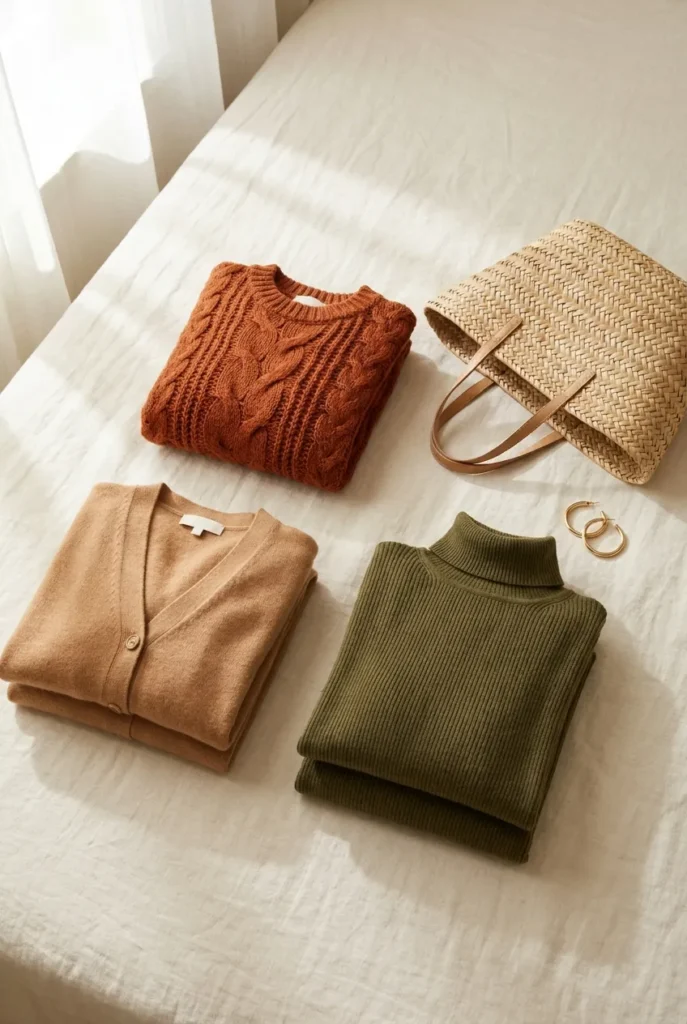
So let’s sort out what warm autumn actually is, which colors belong in your palette, the ones quietly draining you, and how to turn all of it into a capsule you can get dressed from in ninety seconds.
What “Warm Autumn” Actually Means
Warm autumn is one of the twelve seasons in color analysis. Think of it as the true center of the autumn family, sitting between deep autumn (darker, richer) and soft autumn (mutead and hazier). Its defining trait is heat. Every flattering color leans golden rather than icy.
Color analysis groups people by three things: how warm or cool your coloring is, how light or deep, and how bright or soft. Warm autumn reads strongly warm, medium in depth, and gently muted. If you want the science underneath it, Britannica has a clear breakdown of how our eyes actually perceive color, and the whole system builds on that.
The short version: your skin, hair, and eyes carry golden, earthy undertones. Colors pulled from a forest floor in October will love you back.
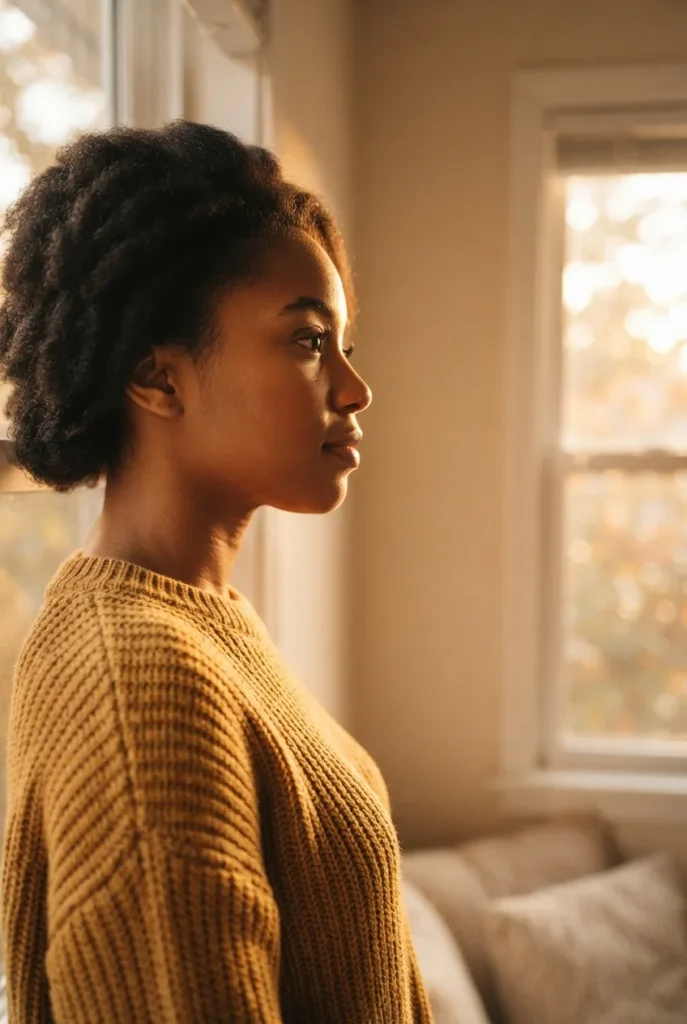
How Do You Tell If You Are a Warm Autumn?
This is the question everyone lands on first, so let’s make it practical. No color-analysis appointment required to start.
Look at your veins in daylight. Warm autumns usually see green rather than blue. Check your jewelry instinct next. Gold tends to melt into your skin while silver can look a little stark and separate. Then think about the sun. If you tan to a golden bronze rather than turning pink and staying there, that points warm too.
Your natural hair often carries golden, auburn, chestnut, or warm chocolate tones. Your eyes might be warm brown, hazel, amber, or a golden-flecked green.
Here is the fastest at-home test. Hold a rust or camel top up to your bare face, then a bright icy pink or pure white. The warm shade should make your skin look even and awake. The cool one often drags shadows under your eyes forward.
Quick self-check: green veins, gold looks better than silver, you glow in earth tones, and cool brights feel harsh. Three or more yes answers and warm autumn is very likely your lane.
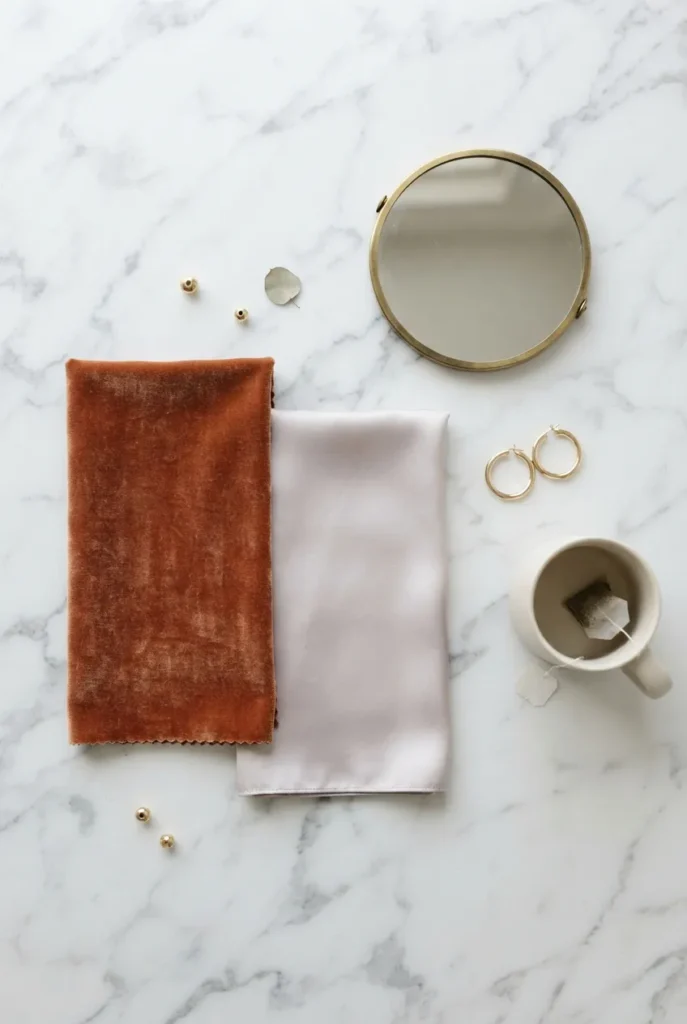
Your Warm Autumn Color Palette
Now the part you came for. These are the colors that do the heavy lifting. I have grouped them the way you would actually shop, by warm autumn neutrals first (your base), then the rich accents that bring an outfit to life.
Warm Autumn Neutrals (Your Base)
Build a base before you add color. For warm autumn, that base skips crisp white and true gray entirely. Reach for these instead:
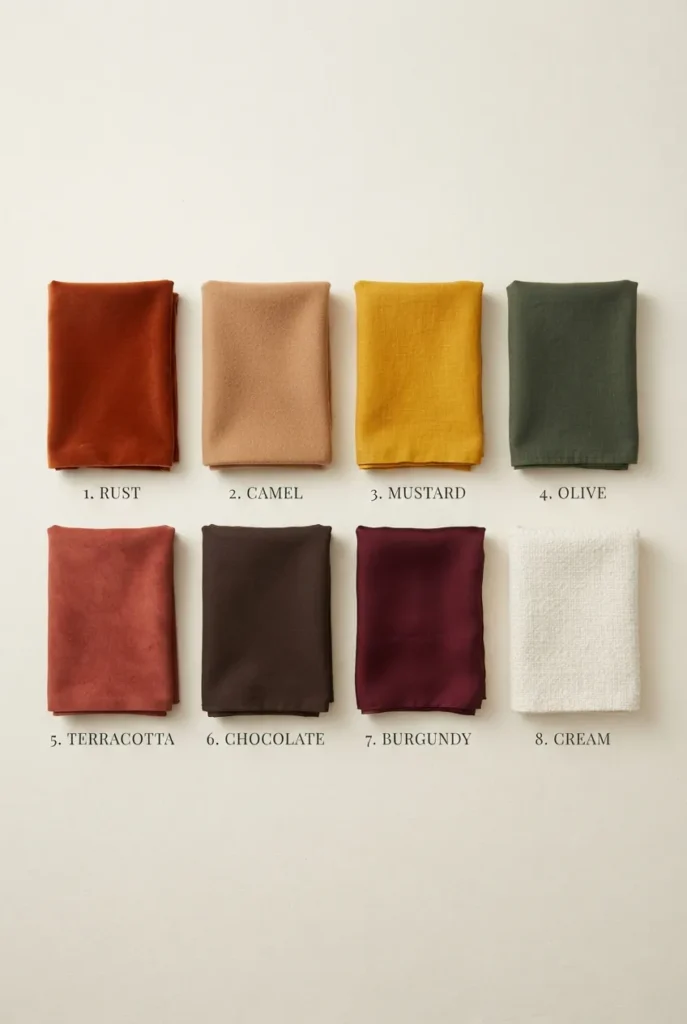
- Cream and warm ivory (your version of white)
- Camel and caramel
- Oatmeal and warm beige
- Chocolate and espresso brown
- Warm taupe
- Soft warm khaki
These earn their hanger space because everything else layers over them. If you have ever wondered why pure white feels a little clinical on you, this is why. Cream does the same job and keeps the heat.
Warm Autumn Accent Colors
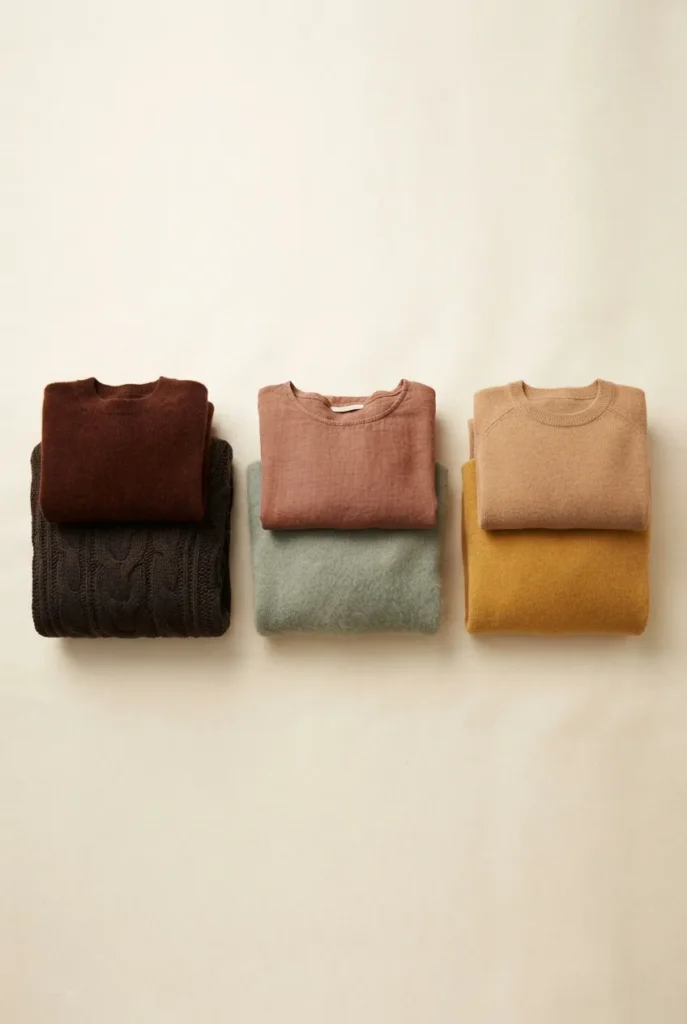
- Rust and terracotta
- Mustard and golden yellow
- Olive and moss green
- Pumpkin and burnt orange
- Warm burgundy and brick red
- Teal and warm petrol (your cooler edge, still muted)
If you want the same logic applied to a different time of year, this approach to building a seasonal color palette for your wardrobe walks through it for spring, and the method transfers cleanly.
What Colors Should a Warm Autumn Not Wear?
Just as useful as your best colors: the ones working against you. These are not banned forever. They just do you no favors up near your face, so keep them for shoes or a bag instead of a top.
Steer clear of icy, cool-based shades. Pure white, jet black, and cool gray tend to overpower warm coloring. Bright fuchsia, cool baby pink, and electric blue fight your undertone. Anything described as “cool,” “icy,” or “jewel-bright” is usually a miss.
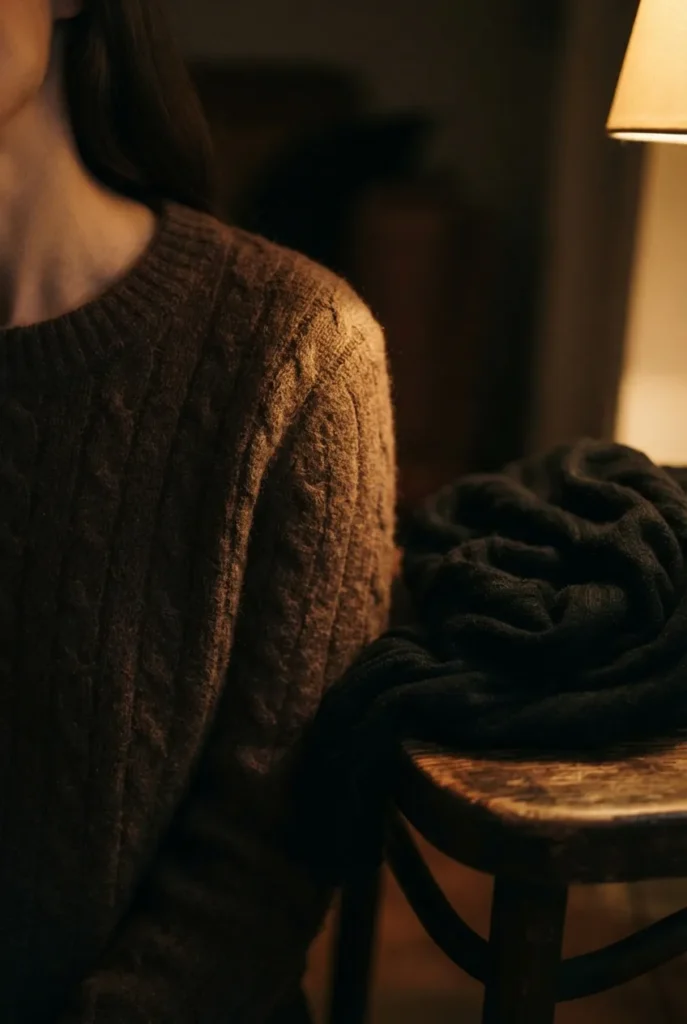
Black is the big one people resist giving up. You do not have to abandon it, but chocolate brown or espresso often looks softer and more expensive on you than harsh black. Try the swap for one week and see.
Do Warm Autumns Wear Gold or Silver?
Gold, almost every time. Warm, golden metals echo your undertone and make your skin look lit from within. Yellow gold, brass, bronze, and copper all sit beautifully against warm autumn coloring.
Silver is not forbidden, but cool bright silver can read a little flat on you. If you love a silver piece, look for a warmer, brushed, or antiqued finish rather than a high-shine chrome. Mixed metals with a gold lead work too.
This extends past jewelry. Warm-toned hardware on a bag, a gold buckle, even the warm brass hooks in your closet all quietly reinforce the palette.
Building a Warm Autumn Capsule Wardrobe
Here is where color analysis stops being a fun quiz and starts saving you money. When every piece you own lives in the same warm family, everything mixes. That is the whole promise of a capsule: buy fewer, wear more.
Start with your neutrals as the foundation. A cream tee, a camel knit, a pair of well-fitting jeans in a warm mid-wash, and chocolate trousers. These are the pieces that go with everything else you add.
Then layer in accents where they show most: knits, scarves, and one statement piece per outfit. One rust sweater can anchor four different looks over cream, camel, olive, and denim.
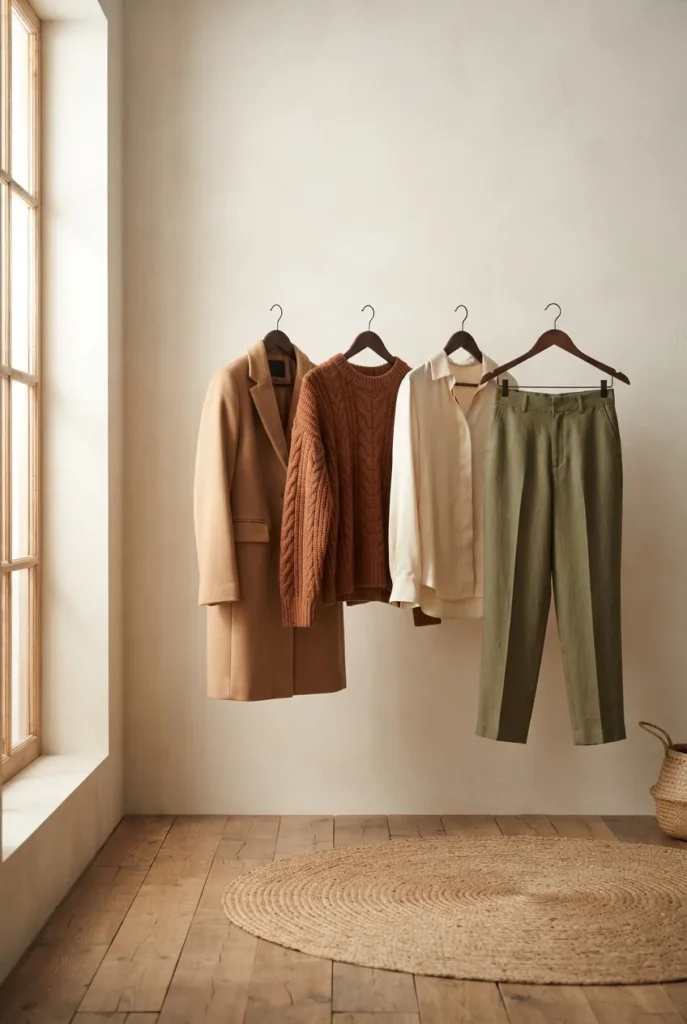
For outerwear, warm autumn is spoiled. A warm wool coat in a camel or chocolate tone is one of the highest cost-per-wear pieces you can own, and it flatters this palette on sight.
A couple of accents go a long way. A few good belts to pull an outfit together in cognac or tan leather sharpen a look instantly and echo the gold-metal rule when the buckle is brass.
A Simple Warm Autumn Outfit Formula
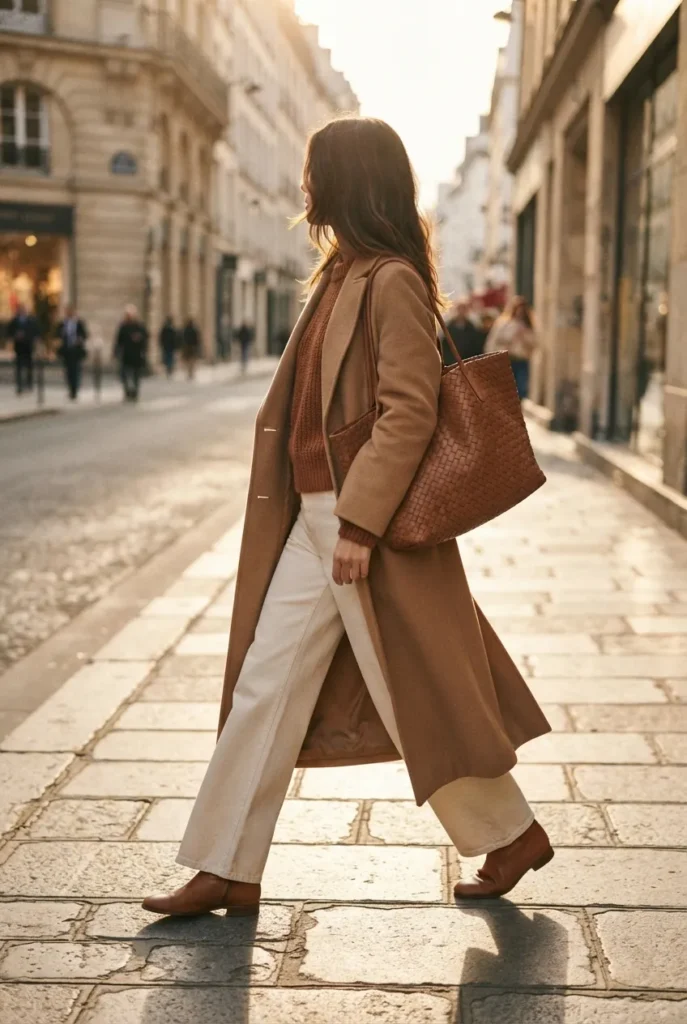
Try this outfit math: one neutral base, one warm accent, one gold-toned finish.
- Cream tee + camel trousers + a cognac belt and gold hoops
- Chocolate knit + warm mid-wash jeans + tan loafers
- Olive shirt + oatmeal trousers + a rust scarf
Warm Autumn vs. the Other Autumn Seasons
People mix these up constantly, so a quick map helps. All three autumn seasons are warm-leaning and earthy, but the depth and softness differ.
Deep autumn runs darker and richer. Its colors carry more contrast and drama, like deep forest, espresso, and dark burgundy. If bright colors feel too much but true warm autumn shades feel slightly light on you, look at deep autumn.
Soft autumn is hazier and more muted, sitting close to summer. Its colors look like they have a light gray veil over them. If crisp warm autumn colors feel a touch too clear or intense, soft autumn may be yours.
True warm autumn sits in the middle: warm, medium-depth, gently muted but still clear. Golden, glowing, and earthy without going either dark or dusty.
Warm Autumn Beauty: Makeup and Hair
Your palette does not stop at clothes. Warm autumn coloring glows with makeup that follows the same rules.
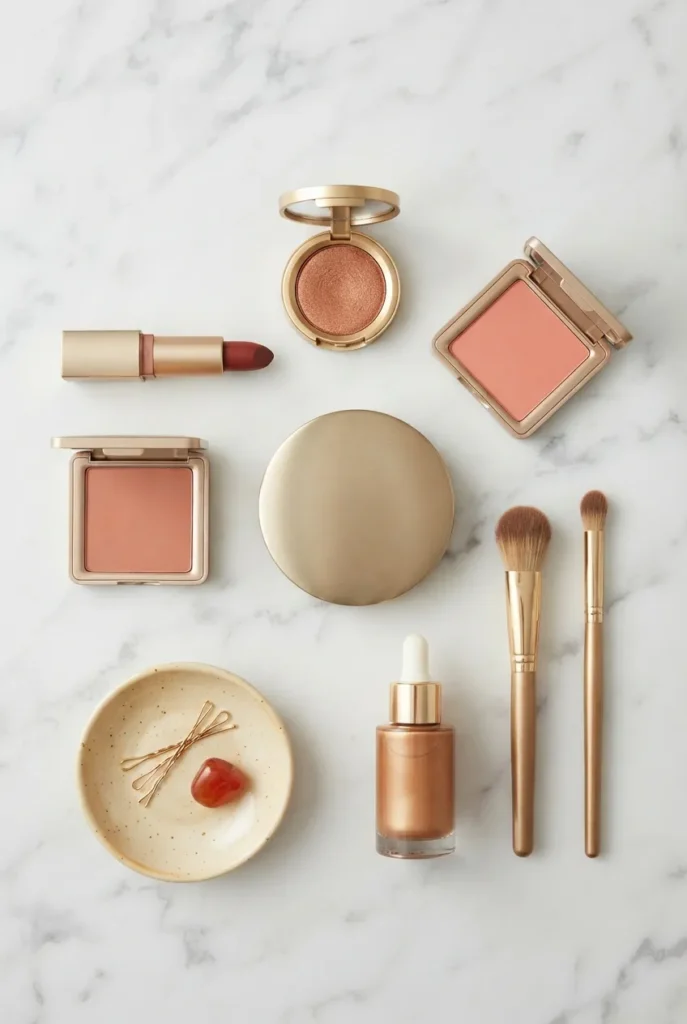
For lips, reach for warm terracotta, brick, brownish-rose, and warm coral. For cheeks, peachy and warm-bronze blushes look natural rather than pasted on. Eyes love bronze, copper, warm olive, and golden brown.
On hair, warm autumn suits golden, auburn, chestnut, caramel, and warm chocolate tones. Ashy or cool platinum shades tend to fight your undertone and can wash you out fast.
Making Your Palette Work Year-Round
A warm autumn palette is not only for fall. It stretches across seasons with small swaps.
In spring and summer, lean into the lighter end of your range: cream, oatmeal, warm khaki, mustard, and olive in linen and cotton. In fall and winter, deepen into rust, chocolate, burgundy, and camel in wool and heavier knits. The palette stays warm; only the fabric weight and depth shift.
This is why color analysis pairs so naturally with a capsule. Once your palette is set, you stop starting over every season. You just adjust the weight.
Frequently Asked Questions
How do you tell if you are a warm autumn?
Check for green-toned veins, a preference for gold jewelry over silver, and skin that glows in earthy shades like rust and camel while looking dull in icy brights. If cool colors feel harsh near your face and warm ones look natural, warm autumn is likely your season.
What colors should a warm autumn not wear?
Cool, icy shades are the main ones to avoid near your face: pure white, jet black, cool gray, bright fuchsia, cool pink, and electric blue. Swap black for chocolate or espresso and swap white for cream, and you will look softer and more rested.
What is the best color palette for warm autumn?
Your best palette is warm and earthy: cream, camel, and chocolate as neutrals, with rust, mustard, olive, terracotta, pumpkin, and warm burgundy as accents. These golden, muted shades echo your undertone and make your skin look lit from within.
Do warm autumns wear gold or silver?
Gold. Warm, golden metals like yellow gold, brass, and copper flatter warm autumn coloring best. Silver can look flat, though a warmer brushed or antiqued finish works fine if you love a particular piece.
Can warm autumn colors be worn in summer?
Yes. Lean into the lighter side of your palette in summer, like cream, oatmeal, mustard, and olive in linen and cotton. The palette stays the same; you simply choose lighter fabrics and slightly fresher shades.
What is the difference between warm autumn and soft autumn?
Both are warm and earthy, but soft autumn is hazier and more muted, as if a light gray veil sits over the colors. Warm autumn colors are clearer and more golden. If crisp earth tones look great on you, you are likely warm rather than soft autumn.
Is warm autumn the same as true autumn?
Yes, they are two names for the same season. “True autumn” is the term used in some twelve-season systems, while “warm autumn” is common in others. Both describe the warm, medium-depth, gently muted center of the autumn family.
Your Palette, Your Uniform
Once you know your warm autumn color palette, getting dressed stops being a daily negotiation. You reach for pieces that already work together, in colors that already flatter you, and you walk out the door looking like you tried harder than you did.
Start small. Pull everything cream, camel, rust, and olive to one side of your closet this weekend and notice how easily those pieces already talk to each other. That side is your season. Build from there, and buy fewer, wear more.
Keep reading

Summer Color Analysis: How to Find Your Shade of Cool and Actually Wear It
If you keep buying gorgeous clothes that look flat the second you put them on, Summer Color Analysis might be the piece...

Winter Color Analysis: The Colors That Actually Work on You
Winter color analysis usually gets explained in swatches. You have seen them: cobalt, magenta, icy blue, true black, arranged in a tidy...

Autumn Color Analysis: The Palette That Makes You Glow
There’s a specific kind of frustration that comes from owning a closet full of clothes you chose on purpose and still looking...