
How to Stop Impulse Buying Clothes Without Feeling Deprived
You told yourself you were only checking the tracking on one order. Twenty minutes later there’s a new tab open, a cropped cardigan in your cart, and a little voice saying it’s basically free because shipping is free. Sound familiar? Learning how to stop impulse buying clothes is not about white-knuckling your way past every sale. It’s about changing what a purchase has to prove before it gets to come home with you.
Here’s the promise. By the end of this guide you’ll have a simple, repeatable filter you can run in ten seconds at checkout, plus a way of thinking about your closet that makes most impulse buys feel pointless before you ever reach the button. Buy fewer, wear more. That’s the whole game.
We’ll get to the tools. First, the part nobody else explains.
Why You Keep Buying the Same Shirt
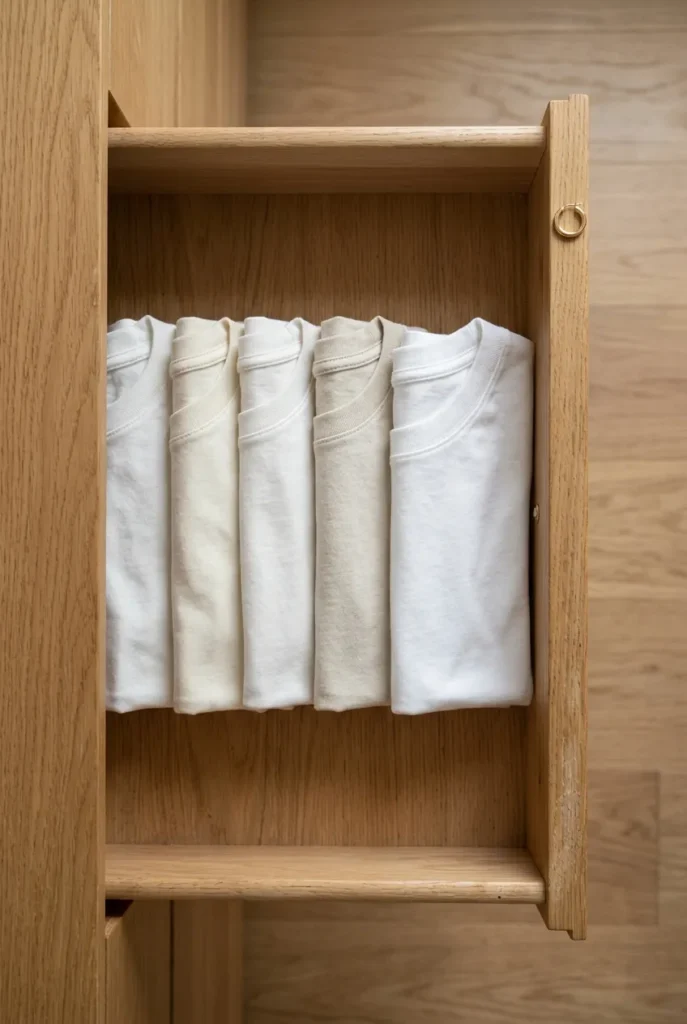
Open the drawer. Count the white tees. Three? Five? Most of us have a graveyard of near-identical pieces, each one bought in a moment we were sure this was the one that would finally feel right.
That’s not a willpower failure. It’s a cohesion problem.
When your closet is a pile of one-off pieces that don’t talk to each other, getting dressed feels like starting from zero every morning. So your brain does something logical: it goes looking for the missing piece that will make it all click. The trouble is, the missing piece doesn’t exist, because the real gap isn’t a shirt. It’s a plan.
The numbers back up how easy this is to fall into. According to McKinsey, clothing production roughly doubled in fourteen years and the number of garments we each buy jumped about 60 percent. We’re not buying more because we love clothes more. We’re buying more because it’s never been cheaper or faster to fill a cart, and the lowest-priced pieces often get tossed after only about seven wears.
So the fix isn’t another rule about saying no. It’s giving every potential purchase one job: prove it belongs to a wardrobe that already works together. More on that in a minute.
Know Your Triggers Before You Tap Buy
You don’t impulse buy at random. There’s almost always a setup. Name yours and you take away half its power.
The big three, in plain terms:
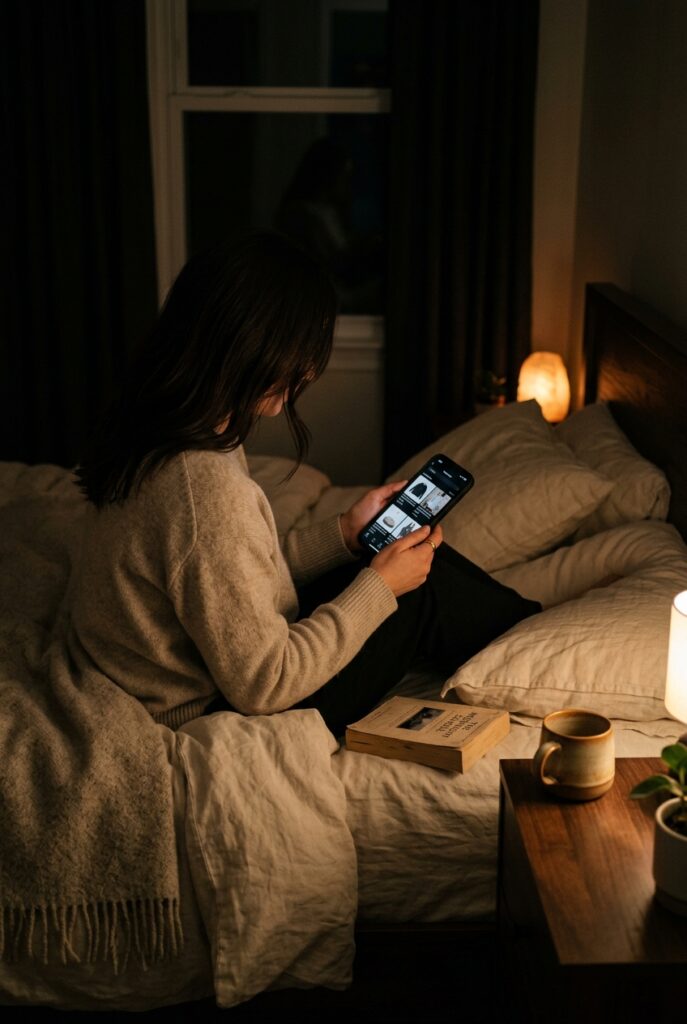
- The feeling. Bored, anxious, flat, or wired at 11pm. Shopping gives a quick hit of “something is happening.” The cardigan is not really the point.
- The setting. The phone in bed. The app that remembers your card. The email that says the sale ends at midnight. These are engineered to make tapping easy and pausing hard.
- The story. “It’s on sale, so I’m saving money.” “Everyone has this.” “I’ll wear it constantly.” The story makes the buy feel smart instead of impulsive.
Try this for a week. Every time you feel the urge to buy, don’t fight it. Just write down what you were feeling and where you were thirty seconds before. After seven days you’ll see your pattern in your own handwriting, and patterns you can see are patterns you can interrupt.
This is also why a quick impulse spending checklist lives better on paper than in your head. We’ll build yours below.
The Capsule Reframe: From “Do I Like It” to “Does It Earn Its Hanger Space”
Here’s the shift that changes everything. Most shopping advice tells you to ask whether you like something. Of course you like it. Liking things is not the problem. You can like forty cardigans.
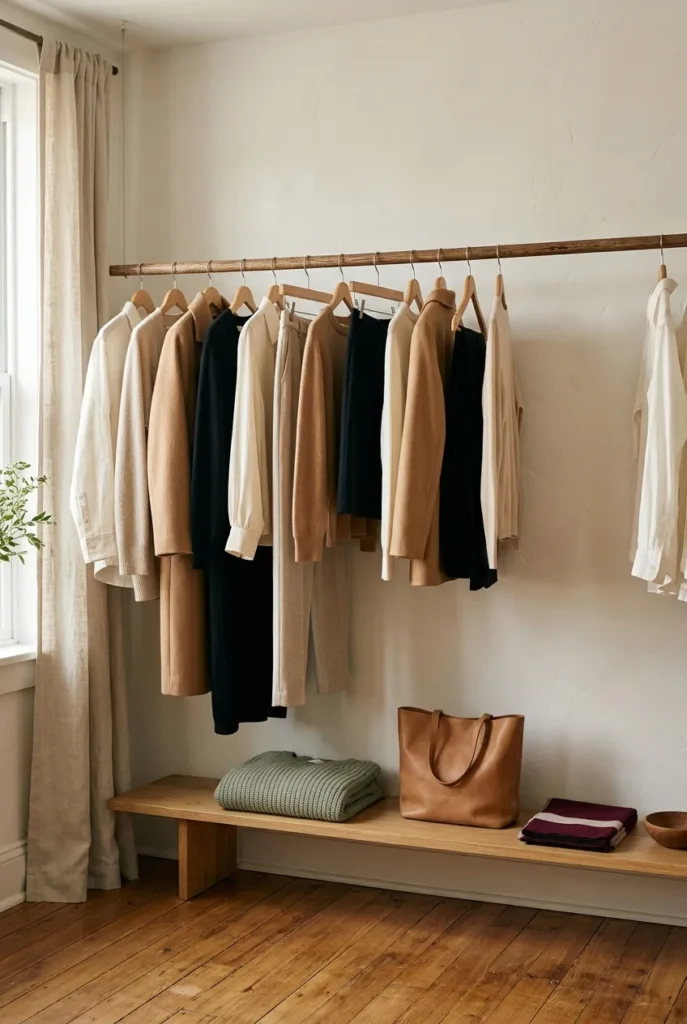
A capsule wardrobe changes the question. Instead of “do I like this,” you ask, “does this earn its hanger space in the closet I’m building?” That means it has to do three things at once: match your color palette, work with at least three pieces you already own, and fit a real slot in your week. If it can’t do all three, it’s a pretty stranger, not a new core piece.
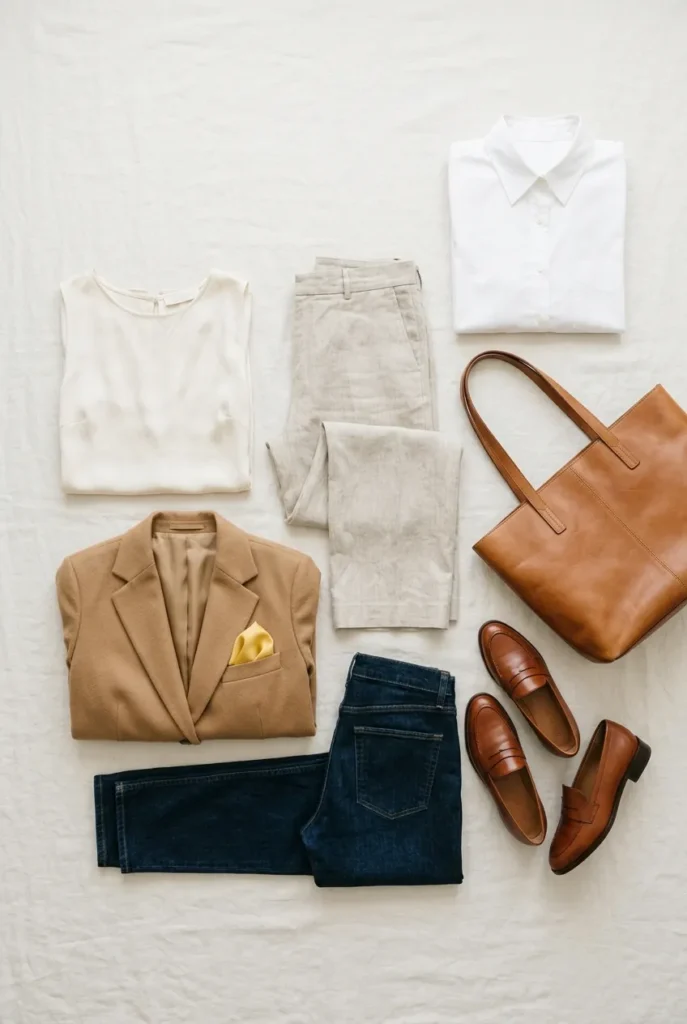
This is where a real plan beats willpower every time. When you build a capsule wardrobe checklist you actually follow, the impulse buys mostly disappear on their own, because most of them simply don’t fit the plan. You’re not resisting the cardigan. The cardigan just isn’t in the brief.
And if you’ve never built a capsule before, don’t overthink it. You can start with a beginner-friendly capsule wardrobe guide and grow from there. The point isn’t a magic number of pieces. It’s that everything you own has a reason to be there.
The 5-5-5 Cart Pause (Our Checkout Filter)
When the urge hits anyway, run this. I call it the 5-5-5 Cart Pause, and it’s built to fit in the ten seconds before you tap buy.
5 hours. Leave it in the cart for five hours minimum (overnight is better). Real wants survive a nap. Most impulse buys quietly die.
5 pieces. Name five things you already own that you’d wear it with. Not “could.” Would, this week. Can’t reach five? It doesn’t have the legs to earn its keep.
5 wears. Picture five specific occasions in the next month. A school pickup, a Friday at the office, dinner Saturday. If you can’t see five real moments, you’re buying a fantasy, not a piece.

Pass all three and it’s probably a genuine addition. Fail even one and you just saved the money and the hanger space. Screenshot this part. It’s the whole article in nine words: five hours, five pieces, five wears.
The Hanger Space Test for Online Shopping
The 5-5-5 pause handles the moment. The Hanger Space Test handles online shopping, where there’s no cart to sit in and no friction to slow you down.
The rule is simple. Your closet has a fixed number of hangers. Not “as many as fit.” A number you set, on purpose. When every hanger is full, nothing new comes in unless something goes out. One in, one out, no exceptions.
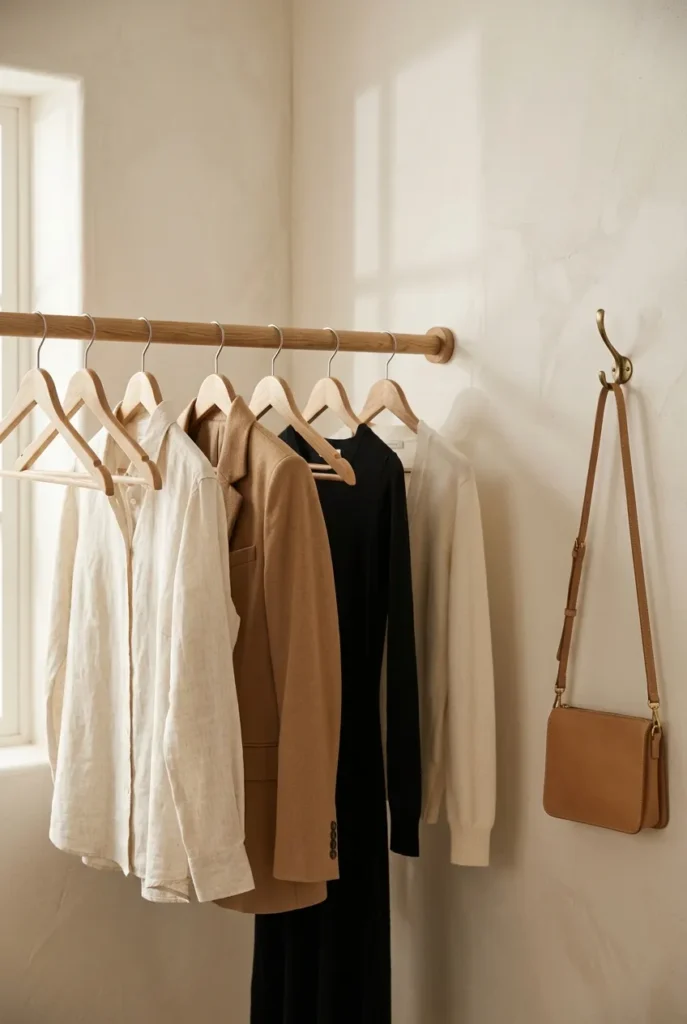
This does something sneaky and useful. It turns every purchase into a trade. Suddenly that $19 top isn’t competing with your wallet, it’s competing with a piece you already own and like. Most of the time, the thing in your closet wins, and the impulse evaporates. When you do decide to declutter properly, you can declutter your wardrobe in one focused weekend and reset your hanger count from there.
Quiet Your Inbox and Your Feed
You can have all the willpower in the world and still lose to a well-timed email. So stop fighting on the brand’s home field.
A few moves that do more than any amount of self-control:
- Unsubscribe ruthlessly. Every “you left something behind” email is a trap with a countdown clock. Gone. If you genuinely love a brand, you can visit on your terms.
- Kill one-tap checkout. Delete the saved card. Make yourself type the digits. That tiny friction is often all it takes for the urge to pass.
- Mute the haul accounts. The feed that makes you feel behind is doing exactly what it’s designed to do. Curate it like you curate your closet.
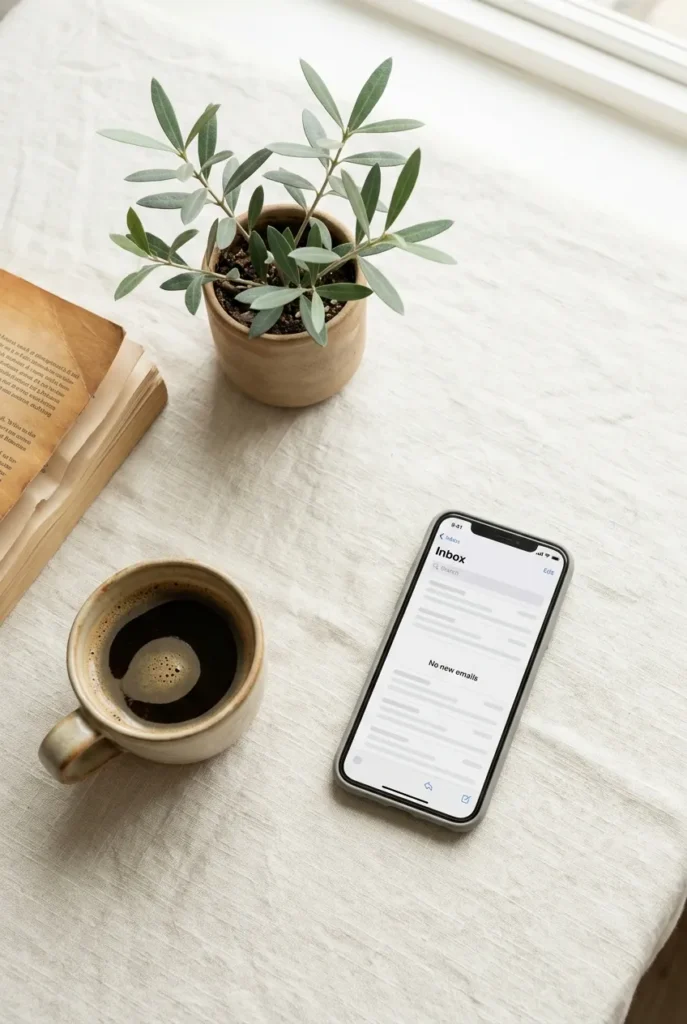
None of this is about deprivation. It’s about taking the decision out of your tired-at-night hands and making it in advance, calmly, on a Tuesday.
Shop Your Own Closet First
Before you buy anything, you owe yourself one honest look at what you already own. Not a glance. A real look.
Pull the pieces you forgot you had. The blouse pushed to the back. The trousers you bought and never broke in. Lay out three new outfits using only what’s already hanging there. Nine times out of ten, the itch to buy something new was really an itch for something fresh, and fresh is hiding in your own closet under a season of neglect.

A trick that works shockingly well: pack like you’re traveling. People are always stunned by how many outfits they get from ten pieces. The carry-on capsule that proves you need less than you think is the clearest proof that the problem was never not-enough-clothes.
What to Do After You Already Slipped
You bought the thing. The bag’s on the counter. Now what?
First, breathe. One impulse buy is not a moral failing, and shame just sends people right back to the cart for comfort. Be practical instead.
Run the return test. If it still has tags and you can’t pass the 5-5-5 pause on it right now, return it. No story, no “but I already.” A return is just an un-purchase. If it’s past the window or you genuinely love it, then make it earn its keep: find the five pieces it works with and the five wears it’ll get, this month. Make it part of the plan, or send it back.
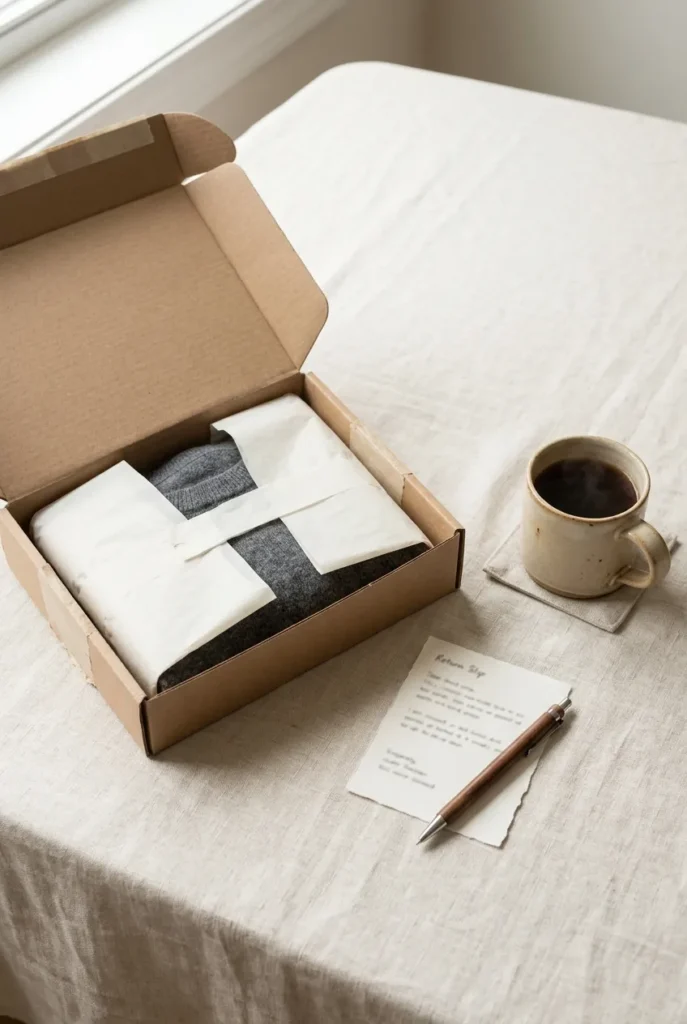
One slip doesn’t undo your progress. What undoes progress is deciding the day is already ruined and ordering three more things to match the first.
Build a Buy List That Earns Its Place
The last piece flips impulse shopping on its head. Instead of buying reactively, you buy from a list you wrote when you were calm and clear-eyed.
Keep a running buy list with only true gaps in it. Not “cute things I saw.” Actual holes in your capsule: the trench you keep wishing for in spring, the loafers that would tie three outfits together. When something earns a spot on that list and stays there for a few weeks, then you shop for it, on purpose, and you buy the best version you can. That’s how you spend less overall while owning things you actually love.
A quick word on getting cohesion right so the list works: when everything shares a palette, almost anything you add slots in. If yours feels scattered, pick a color palette so everything you own goes together first. A tight palette is the quiet reason impulse buys stop tempting you, because the random tomato-red blouse suddenly has nothing to pair with.
It’s worth remembering that even shoppers with the best intentions slip. McKinsey found that shoppers say one thing and buy another, with far more people buying fast fashion than the number who say they avoid it. The gap between intention and action is human. A system closes that gap so you don’t have to rely on a good mood.
How to Stop Impulse Buying Clothes Frequently Asked Questions
What is the 3-3-3 rule for clothing?
The 3-3-3 rule is a minimalist styling formula: pick 3 tops, 3 bottoms, and 3 pairs of shoes that all coordinate, and mix them into outfits for a set stretch of time. Three by three by three gives you 27 combinations from just nine pieces. It’s a brilliant way to prove to yourself how little you actually need, which makes it a natural cure for impulse buying. (Note: a separate idea, Project 333, asks you to wear 33 items for 3 months. Different rule, same lesson: less goes further than you think.)
How do I stop an addiction to buying clothes?
Start by separating the feeling from the purchase. Track your urges for a week to see what’s really driving them (boredom, stress, a sale email), then remove the easy triggers: unsubscribe, delete saved cards, mute haul accounts. Replace the habit with a buy list and the 5-5-5 pause so buying becomes a planned decision, not a reflex. If shopping is causing real financial or emotional harm, or feels genuinely out of your control, that’s worth talking through with a licensed therapist or a financial counselor. This guide is general styling and budgeting information, not professional advice.
Why do I impulse buy in the first place?
Usually because a purchase gives a fast little reward right when you’re bored, stressed, or tired, and because apps and emails are designed to make buying effortless and pausing hard. Add a closet where nothing goes together and your brain keeps hunting for the “missing piece” that will fix it. Build a cohesive capsule and that hunt mostly stops.
Is overspending an ADHD thing?
It can be connected for some people. Impulsivity is a recognized feature of ADHD, and that can show up as impulse spending for some individuals, though plenty of people without ADHD impulse buy too, and plenty with ADHD don’t. If you suspect your spending is tied to ADHD or another condition, a qualified healthcare professional can give you a real assessment. The structural tools here (friction, lists, one-in-one-out) tend to help regardless of the cause, because they reduce how much you have to rely on in-the-moment willpower.
How do I stop impulse buying clothes online specifically?
Online is the hardest case because there’s no friction. Add it back on purpose: delete one-tap checkout and saved cards, unsubscribe from sale emails, and use the Hanger Space Test so every online buy has to displace something you already own. Then sit anything you want in the cart for at least five hours before you check out.
Will a capsule wardrobe really make me spend less?
Usually, yes, though not because you buy nothing. You buy less often and you buy better, because a clear plan kills most random purchases before they happen and the buy list directs the rest toward true gaps. Many people find they spend more per piece and far less overall, which is the goal: fewer wrong purchases, a closet that works, more money kept for what matters.
Can I still enjoy fashion if I stop impulse buying?
Honestly, more so. Impulse buying tends to leave you with a full closet and nothing to wear. Intentional buying leaves you with fewer pieces you genuinely love and that all work together. You trade the quick thrill of the checkout for the slower, better feeling of getting dressed easily every single morning.
The Quiet Payoff
Here’s what actually changes when you stop buying on impulse. It isn’t just a healthier bank balance, though that’s real. It’s the morning. You open the closet and everything in it works, because everything in it earned its place. No graveyard of near-identical tees. No pile of “what was I thinking.” Just a small, cohesive wardrobe you reach into without a second thought.
Start with one move tonight. Unsubscribe from three sale emails, or write the first three lines of your buy list, or set your hanger number. Pick the easiest one and do it before you talk yourself out of it. Buy fewer, wear more. The closet you actually love is on the other side of a few small no’s.
Keep reading

How to Make a Capsule Wardrobe Vision Board (That Actually Guides You)
A capsule wardrobe vision board is supposed to make getting dressed easier. Most of them do the opposite. You save four hundred...

The Capsule Wardrobe Template That Starts With Your Real Closet
You’ve downloaded a capsule wardrobe template before. Maybe three. There was a tidy list of thirty pieces, a suggested color palette, and...

7 Day Cruise Capsule Wardrobe: One Bag, Every Occasion Covered
A 7 day cruise capsule wardrobe sounds like a contradiction. One week, four dress codes, two climates, and a closet roughly the...